


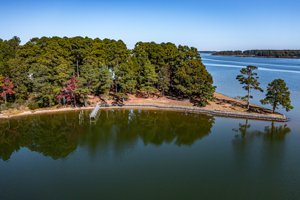
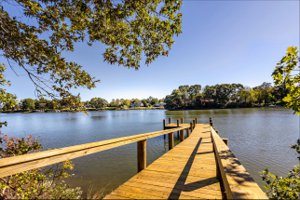
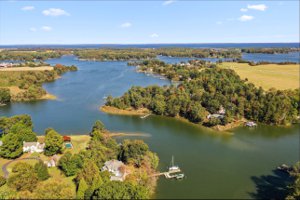
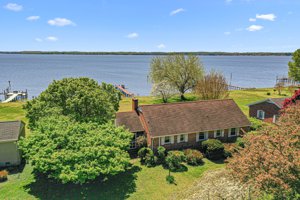
When you picture owning a waterfront home in Virginia’s Northern Neck, it’s easy to focus on the view, the breeze, and the boat rides—and you should! But before you fall in love with a pier or a sunset photo online, it’s important to understand the practical side of buying on the water.
Here are key considerations I encourage every Bay River buyer to think through when evaluating waterfront homes and land.
1. Water Depth, Navigability & Type of Water
Not all “waterfront” is created equal.
- Water depth:
Ask for approximate depths at mean low water (MLW) at the pier and along the route out to open water. Can you easily get your boat in and out, or will you be “tide-dependent”?
- Type and size of boat:
A kayak or Jon boat needs far less depth than a center-console or sailboat with a deep draft. Make sure the water fits the boat you have or plan to have.
- Navigability:
Consider channels, markers, bridges, and sandbars. In some creeks, you may need to time your trips with the tide, while others offer more consistent access to rivers and the Bay.
- Shoreline type:
Sandy beach, marsh, or steep bank all feel very different and can affect erosion, access, and how you enjoy the property.
A good local agent will help you confirm these details rather than relying on assumptions or listing descriptions.
2. Views, Sunrises & Sunsets
The view is a huge part of the waterfront lifestyle.
- Orientation:
Do you prefer morning coffee with a sunrise or evenings on the deck with a sunset? Check which direction the home faces and where the sun will be at different times of year.
- View corridors:
Are there trees, neighboring homes, or future building sites that could block your view? Some covenants protect views; others don’t.
- Light & privacy:
Big, open water views are gorgeous, but they can also come with more wind and exposure. A more protected cove may feel quieter and cozier.
3. Flood Zones, Erosion & the Shoreline
Waterfront ownership brings extra responsibility.
- Flood zone:
Confirm whether the property is in a FEMA flood zone and whether flood insurance is required by a lender. Even if it’s not required, you may choose to carry it for peace of mind.
- Elevation:
Look at how high the home sits above the water. An elevated site may reduce flood risk and insurance costs.
- Erosion:
Shorelines along rivers and the Bay can erode over time. Ask:
- Is there existing rip-rap, bulkhead, or a living shoreline?
- Has there been noticeable loss of land over the years?
- Are any repairs or improvements needed soon?
An erosion assessment and a good marine contractor can help you understand long-term stability and costs.
4. Marine Construction, Permits & Costs
Piers, boat lifts, and shoreline protection are wonderful—and they’re not cheap.
- Existing structures:
Inspect the condition of the pier, pilings, boat lift, and any bulkhead or rip-rap. Older structures may need repairs or replacement.
- Permits:
New marine construction (or major repairs) usually requires permits from one or more agencies (local wetlands board, VMRC, etc.). Give yourself time to confirm what’s allowed.
- Costs:
Replacing or adding:
- Piers or platforms
- Boat lifts
- Rip-rap, bulkhead, or living shorelines
This can be a significant investment. It’s wise to get rough estimates up front so you’re not surprised later.
5. Setbacks & the Chesapeake Bay Preservation Act (RPA)
In this region, the Chesapeake Bay Preservation Act created Resource Protection Areas (RPAs) that generally include a 100-foot buffer from tidal waters and wetlands. Within this buffer, there are strict limits on clearing trees, building additions, adding impervious surfaces, etc.
When you’re evaluating a property:
- Ask where the RPA line and other setbacks are located.
- Consider how they affect:
- Future additions
- Decks, patios, and pools
- Access paths to the water
If you’re dreaming of “adding on later,” make sure the regulations will actually allow it.
6. Restrictive Covenants & HOAs
Many waterfront communities in the Northern Neck have restrictive covenants and sometimes an HOA.
Review:
- Building style, size, and material requirements
- Rules on short-term rentals or long-term rentals
- Pier/boat restrictions
- RVs, campers, and storage of boats or trailers
These rules can protect property values, but they may also limit certain uses you had in mind.
7. Internet, Utilities & Rural Realities
Beautiful waterfront property doesn’t always come with big-city infrastructure.
For homes and unimproved land, verify:
- High-speed internet options:
Fiber, cable, fixed wireless, or satellite? This is critical if you work from home or stream a lot.
- Electric service:
Is it on site? Overhead or underground?
- Well & septic:
Existing, shared, or to-be-installed?
- Other utilities: Propane, cell coverage, and backup power solutions.
In a rural area like the Northern Neck, also ask about:
- Shared driveways or roads
- Private road maintenance agreements and costs
Even a small annual fee or neighbor arrangement is worth understanding before you buy.
8. Soils, Septic Systems & Future Repairs
Whether it’s an existing home or unimproved land, the soils under your feet matter.
- For unimproved land:
You’ll need a soils evaluation to determine:
- Whether the lot will support a traditional (conventional) septic system or
- If it requires an alternative septic system (often more expensive to install and maintain)
- For existing homes:
Find out:
- What type of system is installed
- Where it’s located
- Age, service history, and any inspection reports
If the system ever needs replacement, will current soils and regulations allow a conventional system, or will you have to upgrade to an alternative?
This can significantly affect both upfront cost and long-term maintenance.
9. Cost of Ownership
Beyond the purchase price, factor in ongoing costs:
- Real estate taxes (county and sometimes town)
- HOA or road maintenance fees
- Flood insurance (if applicable)
- Homeowner’s and wind/hail coverage
- Dock, lift, and shoreline maintenance
- Utilities, including higher electric use for heat/AC or well pumps
If it’s a second home or occasional-use property, also consider the cost of having someone check on the house periodically, especially in winter.
10. Financing & Insurance Considerations
Waterfront homes and land can have slightly different lending and insurance requirements.
- Down payment & loan type:
Some lenders have stricter guidelines for second homes, investment properties, or unimproved land.
- Appraisal:
Unique waterfront properties can be harder to appraise. It helps to work with a lender who understands the local market.
- Insurance: Talk with a local insurance agent who is familiar with:
- Flood insurance (if needed)
- Wind and storm coverage
- Coverage for piers, boat lifts, and outbuildings
Getting a few estimates early in your search will give you a clearer picture of total monthly and annual costs.
Bringing It All Together
Buying a waterfront property in the Northern Neck is about more than just finding a pretty view—it’s about understanding the land, the water, the regulations, and the long-term costs so you can truly enjoy the lifestyle you’re investing in.
If you’re thinking about buying on the water—whether a weekend cottage, full-time home, or vacant land to build later—I’d be glad to walk through these considerations with you, connect you with trusted local lenders, inspectors, soil scientists, marine contractors, and insurance professionals, and help you find the right fit for how you want to live on the water.