


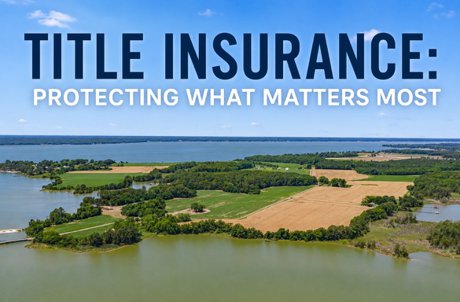
When buying or selling real estate, most people focus on the property itself—its condition, location, financing, inspections, and negotiations. One item that often receives less attention is title insurance, even though it can protect one of the largest investments many people will ever make.
Whether you’re purchasing a waterfront home in Northumberland County, a farm in Essex County, a lot in Lancaster County, or a historic property in Westmoreland County, understanding title insurance is an important part of the transaction.
What Is Title Insurance?
Title insurance protects property owners and lenders against financial loss caused by problems with a property’s title that may have existed before the purchase.
When you buy real estate, you’re not just purchasing the land and improvements—you are also purchasing the legal ownership rights to that property. Before settlement, a title company or attorney conducts a title search to identify issues that could affect ownership.
Even with a thorough title search, some problems are not always discovered until after closing. That’s where title insurance comes in.
Unlike homeowners insurance, which protects against future events such as fire, storms, or theft, title insurance protects against certain issues that may have already existed but were unknown at the time of purchase.
What Does Title Insurance Cover?
While every policy contains specific terms and exclusions, title insurance commonly provides protection against:
Errors in Public Records
Clerical mistakes can occur when deeds, surveys, court documents, or tax records are recorded.
Unknown Liens
Previous owners may have unpaid debts, taxes, judgments, or contractor liens that were not properly released.
Boundary and Survey Issues
Questions about property lines, encroachments, or easements can sometimes arise after closing.
Missing Heirs or Ownership Claims
An unknown heir may later claim ownership rights to the property.
Forgery or Fraud
A deed or legal document in the chain of title may have been forged or fraudulently executed.
Recording Errors
Mistakes made when documents were filed in public records can create ownership issues.
Easement and Access Issues
Some properties, particularly rural parcels and waterfront tracts, may have access rights, shared driveways, or easements that create legal questions.
If a covered claim arises, the title insurance company generally provides legal defense and may pay covered losses up to the policy limits.
Why Is Title Insurance Especially Important in Our Area?
The Northern Neck and Middle Peninsula have a rich history dating back hundreds of years. Many properties have passed through multiple generations of ownership.
As a result, local transactions sometimes involve:
- Family-owned property passed down through estates
- Old deeds with vague legal descriptions
- Waterfront boundaries that have changed over time
- Unrecorded easements or rights-of-way
- Properties that have been subdivided numerous times
- Heirship situations where ownership may not have been fully documented
In addition, many rural properties rely on shared roads, easements, private lanes, or historical access arrangements that may not be obvious from simply viewing the property.
Because of these factors, title insurance often provides valuable peace of mind for buyers purchasing property in our region.
Owner’s Policy vs. Lender’s Policy
There are typically two types of title insurance policies:
Lender’s Policy
Most lenders require this policy whenever a mortgage is involved.
It protects the lender’s interest in the property until the loan is paid off.
Owner’s Policy
This policy protects the buyer’s ownership interest in the property.
Although optional in many transactions, it is generally considered one of the most important protections a buyer can purchase.
A common misconception is that the lender’s policy protects the buyer. It does not. The lender’s policy protects only the lender.
If you’re purchasing property with a mortgage, many settlement companies offer a discounted owner’s policy when purchased simultaneously with the lender’s policy.
What Does Title Insurance Cost?
Unlike many recurring insurance policies, title insurance is generally a one-time premium paid at closing.
The cost varies depending on:
- Purchase price
- Loan amount
- Settlement company or title insurer
- Type of policy purchased
For many residential transactions in Virginia, the owner’s policy may cost several hundred dollars to a little over a thousand dollars, depending on the property’s value.
When viewed against the cost of purchasing a home, waterfront property, farm, or building lot, title insurance is often one of the least expensive forms of protection available.
And unlike annual insurance premiums, title insurance coverage generally remains in effect for as long as you or your heirs own the property.
Is Title Insurance Worth It?
In our opinion, yes.
Most buyers never need to file a title insurance claim. However, the purpose of insurance is not to protect against what is likely to happen—it is to protect against what could happen.
A title problem discovered years after closing can be expensive, stressful, and time-consuming to resolve. Title insurance helps provide protection against those risks.
For many buyers, the one-time cost is a small investment compared to the potential expense of defending ownership rights in court or correcting a title defect.
Final Thoughts
Real estate transactions involve much more than finding the right property and signing documents. Ensuring that the ownership rights you’re receiving are properly protected is an important part of the process.
Whether you’re purchasing a waterfront home, vacant land, an investment property, or your first home in the Northern Neck or Middle Peninsula, title insurance can provide valuable protection and peace of mind long after closing day.
If you have questions about title insurance, surveys, title searches, easements, or any other aspect of buying or selling real estate, we’re always happy to help.
Bay River Realty
Connecting People and Properties in Virginia’s Bay River Region