Northern Neck Real Estate Blog

May 14, 2026

Faces & Places of the Northern Neck: Rosa Forrester


A Life of Quiet Faithfulness

While many people in Richmond County recognize Rosa Forrester’s name and face, some may not—but if you bought or sold property here sometime between 1980 and 2015, there’s a good chance her signature rests at the bottom of your deed.

For 35 years as Clerk of the Richmond County Circuit Court—and more than 45 years total in the Clerk’s Office—Rosa became a steady and trusted part of daily life in the community she has always called home.

She is the real McCoy—genuine, humble, and caring. Most people have no idea how quietly and consistently she has served others over the years… and truthfully, she would probably prefer to keep it that way. But perhaps we can brag on her just a little.

Born and raised in the Warsaw area, Rosa is deeply rooted in the Northern Neck. A graduate of Rappahannock High School’s Class of 1966, she briefly left home to attend cosmetology school in Richmond, even staying on to teach before eventually returning home. After a short time working as a hairstylist—cut short by allergies—she found her way into other work in the community, including Courtney’s Jewelers, before an ordinary walk down Main Street changed the course of her life.

In June of 1970, Rosa was walking to lunch near the courthouse when Clerk of Court, Mr. Balderson, stopped her on the sidewalk and asked if he could speak with her for a moment. He told her he had a part-time opening in the Clerk’s Office and wondered if she might be interested.

“I got picked off the street,” Rosa says now with a laugh.

She had no way of knowing that brief conversation would lead to a 45-year career serving Richmond County.

From the very beginning, Mr. Balderson took her under his wing with patience and intention.

“I’m going to teach you one big thing at a time,” he told her.

And that’s exactly what he did—starting with payroll and guiding her step by step into the work that would eventually become her life’s calling.

Over the decades, Rosa witnessed tremendous change in the court system, especially as technology transformed the day-to-day work of the office. But what she valued most never changed: the people.

What Rosa loved most about her work was meeting people from all walks of life and helping them navigate important moments in their lives. Through marriages, property transactions, court filings, and countless everyday interactions, she became a familiar and reassuring presence to generations of Richmond County residents.

Year after year, she traveled to trainings at UVA and across the state, continually learning and adapting alongside other clerks from around Virginia. She welcomed the challenge.

“I like to learn different things, new things,” she says. “It takes me a while, but it’s helpful.”

And that same spirit of care extends far beyond the courthouse.

Rosa has spent her life quietly serving others in ways that rarely draw attention but leave a lasting impact. Through her work with the Salvation Army, she helps coordinate the Children’s Christmas Project, providing gifts for local children through community donations. She also helps send children to summer Christian camps, making sure they have everything they need—from sheets and towels to toiletries and other essentials.

“It doesn’t cost them anything,” she says simply.

She helps organize back-to-school supplies for children who might otherwise be overlooked and coordinates spring baskets for seniors filled with everyday necessities.

And then there are the acts of kindness that never appear on a list at all.

“I try to keep an eye out for people,” Rosa says. “Sometimes a bowl of soup and a corn muffin would brighten up their day. Or just a phone call.”

It’s this attentiveness—the willingness to notice others—that defines the way Rosa moves through her community.

A lifelong member of Cobham Park Baptist Church, Rosa has served as financial secretary for nearly four decades and remains actively involved in Sunday School and hospitality ministries. Her faith quietly shapes the way she serves her community every day.

At home, Rosa is part of a remarkable five-generation family, including her 95-year-old mother, whom she helps care for daily alongside her brother. Her life remains deeply rooted in family, faith, and community.

She also finds joy in simple things: reading, gardening, and thrift shopping with friends—often with a purpose behind the hunt. A thrifted set of sheets or towels might end up helping a child headed off to camp.

“Why not?” she says. “We can serve more people that way.”

When asked what makes the Northern Neck special, Rosa’s answer is simple.

“People here care about other people.”

It’s something Rosa gently encourages for anyone new to the area—a reminder that the Northern Neck isn’t just a place to live, but a place to belong. It’s a truth many are discovering as they make their way here, often with the help of those who know and love this community well.

And if she could offer one piece of advice to someone moving here?

“Meet your neighbors,” she says. “And get connected—especially to a church. There’s so much need out there… everybody can do something.”

In a world that often celebrates the loud and visible, Rosa Forrester reminds us that some of the most meaningful lives are lived quietly—through steady faithfulness, humble service, and countless small acts of kindness that ripple farther than we may ever know.

May 12, 2026

Why So Many Big Real Estate Companies Are Merging — And What It Means for Buyers and Sellers in Small-Town Markets


Over the past several months, the real estate industry has seen a wave of major mergers, acquisitions, and restructuring among some of the nation’s largest companies. Names like Compass, eXp Realty, Real Brokerage, REMAX, and others have dominated industry headlines as companies combine forces, expand technology platforms, and compete for market share.

To many consumers, this raises an important question:

“What exactly is happening in the real estate industry right now?”

Even more importantly:

“How does this affect buyers and sellers here in the Northern Neck and similar rural and small-town markets?”

The answer is important because while these national changes may sound impressive on paper, they also highlight the growing difference between large corporate real estate models and locally owned firms that focus on relationships, community knowledge, and long-term service.

Why Are the Big Companies Changing So Much?

The real estate industry has changed dramatically over the past few years.

During the strong market of 2020 and 2021, many large companies expanded rapidly. They hired thousands of agents, invested heavily in technology, built large marketing systems, and competed aggressively for growth.

Then the market shifted.

Higher interest rates, lower sales volume, affordability challenges, and changing consumer habits created pressure on many large firms. In response, companies began looking for ways to:

  • Reduce overhead
  • Gain market share
  • Expand technology
  • Control more consumer data
  • Increase efficiency
  • Improve profitability

That has led to major consolidation across the industry.

Today, many large companies are no longer simply focused on helping buyers and sellers purchase homes. They are increasingly focused on:

  • Technology platforms
  • Artificial intelligence
  • Lead generation systems
  • Consumer data
  • Online traffic
  • Recruiting large numbers of agents
  • Scaling operations nationwide

In many ways, real estate has become a technology and numbers-driven business at the corporate level.

Bigger Isn’t Always Better in Rural and Small-Town Markets

While large national companies can certainly offer impressive technology and advertising reach, rural and waterfront markets like Virginia’s Northern Neck are very different from large metropolitan areas.

Real estate here is often more personal, more relationship-driven, and more dependent on local knowledge than in heavily populated urban markets.

For example:

  • Waterfront property values can vary dramatically based on water depth, shoreline conditions, elevation, views, and boating access.
  • Rural properties may involve septic systems, wells, easements, zoning considerations, timber value, flood zones, or agricultural issues.
  • Local relationships with contractors, lenders, surveyors, attorneys, inspectors, and service providers often play a major role in helping transactions move smoothly.
  • Many buyers are second-home or retirement buyers coming from outside the area who need guidance beyond simply finding a property online.

These are not “one-size-fits-all” transactions.

And that’s where locally owned firms often have a significant advantage.

The Difference Between Relationships and Volume

Many large companies today operate heavily on numbers:

  • Number of agents
  • Number of leads
  • Number of transactions
  • Market share
  • Online traffic
  • Recruiting growth

There is nothing inherently wrong with growth or technology. In fact, good technology can absolutely improve communication and efficiency.

However, in many large organizations, individual clients can sometimes begin to feel more like transactions moving through a system rather than long-term relationships being built.

At Bay River Realty, we believe real estate is still fundamentally about people.

The truth is:

  • We cannot sell real estate without people.
  • Relationships matter.
  • Trust matters.
  • Communication matters.
  • Reputation matters.
  • Community involvement matters.

In small-town and rural markets, those things often matter even more.

Many of our clients are not simply making a short-term financial decision. They are choosing:

  • A lifestyle
  • A retirement destination
  • A family property
  • A second home
  • A waterfront investment
  • A place where future generations may gather for decades

Those decisions deserve personal attention and local insight.

Technology Still Matters — But It Should Support Relationships, Not Replace Them

There is no question that technology plays an important role in modern real estate.

Professional marketing, digital exposure, online communication tools, electronic signatures, listing alerts, and strong internet visibility are all important.

Locally owned firms today can often provide many of the same marketing and technology tools as larger companies while still maintaining a much more personal approach.

At Bay River Realty, we believe technology should support relationships — not replace them.

A strong real estate experience should combine:

  • Modern marketing and communication tools
  • Accurate local knowledge
  • Honest guidance
  • Availability and responsiveness
  • Long-term relationship building
  • Community involvement
  • Personal accountability

Why Local Knowledge Still Matters

One of the greatest strengths of a locally owned firm is simple:

We live here.

We work here.

We know the people, communities, waterways, neighborhoods, and market trends that make the Northern Neck unique.

That local knowledge can help buyers and sellers navigate issues that national algorithms and automated systems often cannot fully understand.

No website or artificial intelligence platform can completely replace:

  • years of local experience,
  • personal relationships,
  • market intuition,
  • and firsthand knowledge of an area.

The Future of Real Estate

The real estate industry will likely continue evolving.

Technology will continue improving.

Large companies will likely continue merging and competing for scale.

But despite all the changes, one thing remains true:

People still want trusted guidance from professionals who genuinely care about helping them make good decisions.

Especially in smaller communities and unique markets like the Northern Neck, personal relationships and local expertise still matter tremendously.

At Bay River Realty, we believe the future of real estate is not simply about becoming bigger.

It is about becoming better at serving people.

And that will always remain our focus.

Posted in Real Estate
May 7, 2026

Faces & Places of the Northern Neck: Connie Livesay

Still Showing Up: Connie Livesay’s Life of Work, Wit, and Quiet Faithfulness

Connie Livesay would be the first to tell you there’s nothing remarkable about her life. And yet, at 93, she still works full time and drives herself there every day. Ask her why, and her answer comes quickly, with a smile: “Because if I retire, I’d be home and would have to clean my windows.”

That is Connie—sharp, humble, funny, practical, and far more remarkable than she would ever admit.

In fact, when asked to be interviewed, Connie could not quite understand why anyone would want to hear her story. She does not see herself as someone important or impressive. In her words, she has always thought of herself more as “the worker and not the chief”—someone willing to do the work, help where she is needed, and never make much fuss about herself.

But maybe that is exactly what makes her story worth telling.

Connie grew up in Richmond during the Great Depression, in a home where work was simply part of life. Her parents had a garden to grow their own food. Her mother sewed clothes. Nothing was wasted, and no one sat around waiting for life to be easy.

“I’ve always enjoyed working,” Connie said.

That early lesson never left her.

She met her husband, Tommy, at a skating rink after a friend invited her to go skating in Colonial Heights. Tommy could skate well, and before long, the two were seeing each other often. Connie laughs remembering that she did not rush anything, but once their relationship began, she does not think they went a day without seeing or talking to one another.

It’s a detail she shares almost in passing, but it feels like something more than coincidence—years later, her son Timmy would meet his wife, Christy, at a skating rink, too.

Tommy was a carpenter, and in the 1950s, he helped build a cottage in Lewisetta. What started as a weekend place eventually became the doorway to a whole new life on the river.

Around 1970, Connie and Tommy became part owners of Coan River Marina. Before long, they bought out the other partners and took it on themselves. Tommy worked on wooden boats, while Connie did whatever needed done—bookkeeping, gas sales on the pier, office work, and anything else the day required. Her mother ran the marina store and worked there well into her 90s.

For more than two decades, the marina was a working part of the community. Crabbers and oystermen came through. Boats pulled in for repairs, gas, and help. Before cell phones and internet updates, the marina was on the call list when boats went missing, and Connie remembers how often they were left wondering whether those people had ever been found.

Life at the marina was not glamorous. It was long days, changing tides, hard work, and constant responsibility. But Connie never seemed to mind work. She was built for it.

After the marina years, she brought that same dependability to the Northumberland County Commissioner of Revenue’s office, where she began working in 1988. What started as part-time help with boats eventually became a full-time position. Today, she serves as a Deputy Commissioner, a title she humbly explains is necessary because of the kind of information she handles.

Her work has changed over the years. Paper records became computer records. The county grew. More people moved in, especially after COVID, bringing boats, vehicles, property, and plenty of paperwork with them.

Connie has kept up.

She still handles complicated details. She still shows up. And when asked why she has not retired yet, beneath the humor there is also loyalty. In recent years, when a coworker faced serious health challenges, Connie stayed because she did not want to leave the office short-handed.

“You just don’t leave somebody in the lurch,” she said.

That one sentence may say more about Connie than anything else.

She is not chasing attention. She is not trying to prove anything. She is simply faithful—to her work, to her people, to her responsibilities, and to the steady rhythm of showing up.

Connie still drives to work. She still enjoys sports, sewing, music, and her church family at Heathsville United Methodist Church. She has two grandchildren and a family who clearly treasures her.

And while she may not think of herself as the chief, Connie Livesay has lived the kind of life that quietly leads by example.

A life rooted in work.

A life marked by humor.

A life of showing up when it would be easier not to.

And perhaps that is why, at 93 years old, Connie is not just still working.

She is still teaching the rest of us what faithfulness looks like.

It’s people like Connie who make this community so special—and why sharing these stories means so much to all of us at Bay River Realty. 


May 6, 2026

Flood Insurance in the Northern Neck What You Need to Know Before You Buy or Sell

When you live in a waterfront or coastal market like Virginia’s Northern Neck, flood insurance is a topic that comes up often—and sometimes creates confusion.

We regularly hear questions like:

  • What does flood insurance actually cover?
  • Is it required?
  • What if I’m paying cash?
  • How accurate are flood maps?
  • And how much does it cost?

The answers aren’t always straightforward, but understanding the basics can help you make informed decisions—whether you’re buying, selling, or simply evaluating your current property.

Flood Insurance Is Separate from Homeowners Insurance

One of the most important things to understand is this:

Standard homeowners insurance does NOT cover flooding.

Flood insurance is a separate policy designed specifically to protect against damage caused by rising water—whether from heavy rain, storm surge, or tidal flooding.

What Flood Insurance Typically Covers

Building Coverage:

  • Foundation, walls, and structural components
  • Electrical and plumbing systems
  • Heating and cooling systems
  • Water heaters and built-in appliances
  • Cabinets, flooring, and drywall
  • Detached garages (limited coverage)

Contents Coverage (optional):

  • Furniture
  • Clothing
  • Electronics

What It Typically Does NOT Cover

  • Landscaping, docks, and outdoor features
  • Decks and patios
  • Pools
  • Temporary housing (in most standard policies)

Some private flood insurance policies offer broader coverage, but the standard government-backed policies are more limited.

Is Flood Insurance Required?

If You Have a Loan

Flood insurance is required by lenders if a property is located in a Special Flood Hazard Area (SFHA)—commonly referred to as a high-risk flood zone (often labeled “A” or “V” zones on FEMA maps).

If the property falls within one of these zones, and you are using a federally backed loan, the lender will require flood insurance before closing.

If You’re Paying Cash

Flood insurance is not legally required if you are purchasing a property with cash.

However, that doesn’t mean it’s unnecessary.

A significant number of flood claims occur outside of high-risk zones. Flooding does not follow map lines—and properties that appear “safe” on paper can still experience water issues.

 Bottom line: Even if it’s not required, it may still be worth serious consideration.

Not Just Waterfront Homes Flood

There’s a common misconception that flood risk only applies to waterfront properties.

That’s simply not true.

Inland properties can and do flood—especially those at lower elevations.

In our area, we often see:

  • Low-lying inland homes experiencing drainage or runoff issues
  • Properties near creeks, marshes, or poorly drained land
  • Areas where water accumulates after heavy rain

Flood risk is more about elevation than proximity to water.

A home that is a few feet higher in elevation—even if it’s closer to the water—may be at less risk than an inland property sitting in a low spot.

How Accurate Are Flood Zone Maps?

Flood zones are determined by FEMA and are used by lenders and insurers to assess risk.

They are helpful—but they are not perfect.

What to Know About Flood Maps:

  • They are based on modeling and historical data
  • They may not reflect current conditions or recent development
  • They can lack property-specific detail
  • Two neighboring properties can have different flood zone designations

We’ve seen situations where:

  • A home is placed in a flood zone but sits well above flood elevation
  • Or a home outside the zone still experiences flooding

·       Flood maps are a guide—not a guarantee.

How Often Do Flood Maps Change?

Flood maps are updated periodically, but not frequently.

Updates can take:

  • Several years
  • Sometimes decades

Changes usually occur after:

  • New engineering studies
  • Major storm events
  • Significant development in an area

This means some maps may be outdated or not reflect current conditions on the ground.

Flood Risk in the Northern Neck

In the Northern Neck and surrounding areas, flood risk comes from several sources:

  • Tidal flooding from the Chesapeake Bay and rivers
  • Storm surge during hurricanes or strong coastal storms
  • Heavy rainfall and runoff affecting inland areas
  • Rising water levels over time

Because of this, flood risk is not limited to obvious waterfront locations. Many properties fall into a “moderate risk” category that still deserves attention.

What Does Flood Insurance Cost?

Flood insurance costs can vary widely depending on the property.

Typical Range in Virginia:

  • Around $500 to $3,000+ per year
  • Average roughly $700–$800 annually

What Affects the Cost:

  • Elevation of the home
  • Flood zone designation
  • Distance to water
  • Replacement cost of the home
  • Prior claims history
  • Updated FEMA rating methods (which now consider more property-specific factors)

·       Two homes next to each other can have very different premiums.

Who Offers Flood Insurance?

There are two main types of providers:

 1. National Flood Insurance Program (NFIP)

  • Backed by the federal government
  • Standardized coverage
  • Coverage limits:
    • $250,000 for the building
    • $100,000 for contents

 2. Private Flood Insurance Companies

  • Often offer higher coverage limits
  • May include additional benefits like:
    • Replacement cost coverage
    • Temporary housing (loss of use)
  • Pricing may be more competitive in some cases

It’s often worth comparing both options.

Elevation Certificates: What They Are and Why They Matter

An elevation certificate (EC) is a document prepared by a licensed surveyor that shows how a home’s elevation compares to expected flood levels.

Typical Cost:

  • Approximately $750 to $2,500, depending on the property and survey complexity

What an Elevation Certificate Can Do:

  • Help determine the true flood risk
  • Potentially lower insurance premiums
  • Provide documentation that a home is above required flood elevation

Can an Elevation Certificate Remove the Flood Requirement?

In some cases—yes.

If the elevation certificate shows that the home is above the base flood elevation, the owner can apply for a:

Letter of Map Amendment (LOMA)

If approved:

  • The property may be removed from the flood zone
  • The lender may no longer require flood insurance

This can make a significant difference in both affordability and marketability.

A Critical Tip for Buyers

If you are considering purchasing a property, especially in our area:

Find out early whether flood insurance will be required—and what it will cost.

Don’t wait until you’re deep into the transaction.

Flood insurance can:

  • Impact your monthly payment
  • Affect your financing
  • Influence your decision to move forward

Understanding this upfront helps avoid surprises later.

Key Takeaways

  • Flood insurance is separate from homeowners insurance
  • It is required by lenders in high-risk flood zones
  • It is optional—but often advisable—if paying cash
  • Flooding is not limited to waterfront properties
  • Elevation matters more than location alone
  • Flood maps are helpful, but not always precise
  • Costs vary widely based on property-specific factors
  • Elevation certificates can reduce cost—or even remove the requirement

Final Thoughts

In a market like the Northern Neck, flood insurance isn’t just a checkbox—it’s part of understanding the property as a whole. Every piece of land is different. Elevation, drainage, proximity to water, and even surrounding terrain all play a role.

If you’re buying, selling, or simply evaluating your current property, taking the time to understand flood risk—and your options—can save you from costly surprises and help you make more confident decisions.

Flood insurance requirements, premiums, and flood zone determinations are made by lenders, insurers, FEMA, and licensed professionals. Buyers and property owners should consult qualified insurance and surveying professionals for property-specific guidance.

Posted in Real Estate
April 30, 2026

Faces & Places of the Northern Neck: Rich Morgan

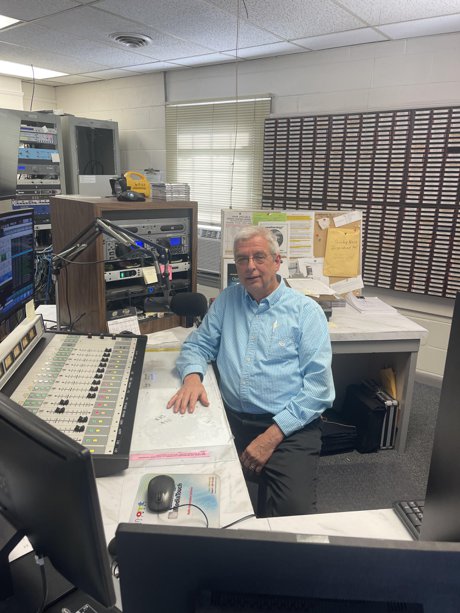
The Voice That Binds a Community: Rich Morgan’s 50 Years on the Air

In a world that often feels louder, faster, and more divided than ever, Rich Morgan has spent nearly five decades doing something quietly powerful on the airwaves of the Northern Neck and Middle Peninsula: bringing people together.

For many local listeners, Rich’s voice is more than familiar. It is part of the rhythm of daily life — heard in kitchens before sunrise, in work trucks on the way to a job, and in cars headed to school or the ballfield. Through birthdays, ballgames, storms, celebrations, and heartbreak, he has been there. And in a time when most communities feel fractured, local radio has remained one of the rare places where people still gather around the same stories, the same updates, and the same shared sense of community.

Rich Morgan did not grow up in Tappahannock, but radio was in his blood from the very beginning.

His father was a DJ in Northern Virginia in the days before FM radio, when everything was still on AM. Later, Rich’s family settled in York County, where his father became the electronics teacher at York High School and ran the school’s radio station. That is where Rich’s real start began.

“As just a little kid,” he said, his father had him “playing records and talking into a microphone.”

That early exposure stuck. Though he briefly attended community college, Rich quickly realized the classroom was not where he was meant to be. He already knew what he wanted to do — he just had to find a way to do it.

After a short-lived job at a Yorktown radio station that went out of business, his father suggested he drive an hour north to a little town called Tappahannock. One of his father’s former students had once worked at WRAR, and Rich was told to go see station manager Danny Wadsworth.

He interviewed in early 1977. A couple of weeks later, Wadsworth called and told him to be there Saturday morning at 8:30.

“At 9, you’re going on the air.”

Rich arrived, got a quick overview of the studio, and then, as the 9 o’clock news began, Wadsworth handed him a key, told him it was in case the building caught fire, and left him alone on the air until 2 p.m.

When Wadsworth returned, he had his answer.

“You’re hired.”

That was March 1977.

Nearly 50 years later, Rich is still here.

Over the decades, his role has changed many times. He started as a midday announcer, later moved into afternoons, then into the morning show in the mid-1990s when station ownership shifted and the broadcast lineup changed. Along the way, he became program director, took on sales, stepped into management, and eventually became one of the owners of both WRAR and WNNT.

But if you ask Rich what he has loved most, the answer comes easily.

“My true love in this business has been being on the radio,” he said. “That is the best part of the job. No question.”

Not the paperwork. Not the management. Not even the advertising side that keeps the business alive.

It is the studio itself. The music. The microphone. The listeners on the other end.

That love still shows.

Rich begins his workday at 4 a.m. and has done so for years. He is usually at the station by 4:15 each weekday morning, preparing for a broadcast that is part routine, part instinct, and part relationship with the community he loves and serves. Though modern radio now relies heavily on computers, music services, and remote technology, Rich still adds his own touches — pulling in a No. 1 song from a past year on that day in history, working in artist birthdays, and making room for the local flavor listeners have come to expect.

That local flavor is exactly what makes small-town radio different.

In bigger markets, you may hear polished programming, but you are not likely to hear your neighbor’s name on the air, your child’s birthday announced, or updates on local Little League All-Stars. You are not likely to hear high school sports covered with the kind of care and consistency Rich and the team have made standard here. You are not likely to hear the running thread of community life woven together day after day.

That is what WRAR has done so well for so long. The station does not just report on the community — it unites it in a way that feels increasingly rare.

One of the clearest examples is Christmas Wishes, a beloved annual tradition that began in 1984 by Danny Wadsworth and continues to this day. Last year alone, Rich estimated that the effort brought in over $50,000 in gifts and donations for local families. For a small community, that kind of generosity says something profound.

It says people are still listening.
Still caring.
Still showing up for one another.

Rich has seen that same spirit surface in some of the region’s hardest moments, too.

When Hurricane Isabel hit in 2003, the station never went off the air. Powered by generators and staffed around the clock, they stayed on to share critical information with listeners who needed it most. Their service during the storm earned the station a national “Friend in Need” radio award.

He remembers another powerful moment in 2016, when a tornado crossed near Tappahannock and moved into Richmond County and Westmoreland. Rich rushed to the station, put both WRAR and WNNT into simulcast, and went live — no music, just continuous updates, bulletins, and phone calls from listeners. At one point, all six phone lines were ringing steadily, and he made the decision to begin putting callers straight on the air.

Then there was the downtown Tappahannock fire in 2022. Rich arrived just after it began and spent hours broadcasting live from the street, offering updates as smoke billowed across town and firefighters worked to contain the flames.

These are the moments that remind listeners that local radio can still be immediate, trusted, familiar, and deeply rooted.

Of course, not all of Rich’s stories revolve around emergencies. Some of the sweetest parts of his life happen off the air.

He and his wife Robin have been married since 1988. A Lancaster High School graduate, Robin is a local girl, and the two were introduced through mutual connections after Rich had already made his life in Tappahannock. Together they raised two sons, Ryan and Carter, both Essex graduates who have gone on to build lives and careers of their own.

Ryan played college soccer at Bridgewater and now works in the soccer world with Richmond United, helping run major tournaments like the Jefferson Cup. Carter played college golf first at Virginia Wesleyan and then at Old Dominion, where he walked on and earned a full scholarship after one semester. Today Ryan lives in Mechanicsville, and Carter is in Norfolk, working in the mortgage business.

Rich lights up when he talks about them and is also savoring a few bucket-list moments made all the more special because they were shared with his sons.

In 2025, he and Carter attended a practice round at The Masters — a dream trip for any golf fan. This year, he and Ryan traveled to the Final Four in Indianapolis, where they also watched Mary Washington win the Division III national championship on a buzzer-beater.

And still, after all these years, Rich is not quite ready to leave the work he loves.  In March 2027 he will mark 50 years at the station. When he was younger, he imagined 70 might be the age when he stepped away. Now, he is not so sure.

“I feel good,” he said. “I love the radio. It’s all I’ve ever done.”

That devotion is hard to miss.

For generations, Rich Morgan has been one of those steady presences that become part of a place without ever demanding attention. He has announced the ordinary and the extraordinary. He has kept watch through storms. He has celebrated local wins, local people, and local life. And through it all, he has helped preserve something valuable: a shared sense of belonging that still runs deep in this community.

It reminds us that even now — in an age of algorithms, endless noise, and division — a familiar voice, a shared story, and a hometown station can still bring people together.

And around here, Rich Morgan has been helping do exactly that for nearly half a century.

A voice this steady becomes part of the landscape, and at Bay River Realty, we always love celebrating the people who help make the Northern Neck feel so deeply like home.


April 28, 2026

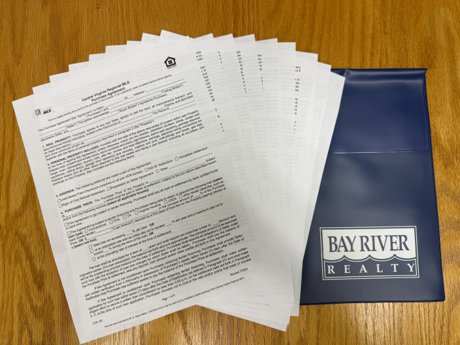
Understanding Real Estate Agreements & Disclosures (Without the Confusion)

Buying or selling a home comes with a fair amount of paperwork. For many people, that’s the part of the process that feels the most overwhelming.

At Bay River Realty, we believe those documents shouldn’t feel intimidating—they should feel understandable.

Our goal is always to walk our clients through each agreement step-by-step so there are no surprises. This post is designed to give you a simple, clear overview of the most common agreements and disclosures you’ll encounter when buying or selling real estate in Virginia’s Northern Neck region.

This is not meant to be a detailed legal explanation, but rather a practical guide to help you understand what these documents are and why they matter.

If you’d like to review the actual documents, blank copies of the most commonly used forms are available on our website at www.bayriverrealty.com/resources (under Documents).

The Three Key Agreements

There are three primary agreements involved in most real estate transactions. Each one serves a different purpose, and together they form the foundation of the process.

1. Listing Agreement (For Sellers)

The listing agreement is the contract between a seller and the real estate brokerage. It gives the brokerage permission to market and sell the property.

Key items typically included:

  • Listing Price
    The price the property will be offered for sale, with the understanding that adjustments may be made based on market response. 
  • Term of the Agreement
    The start and end date of the listing period. 
  • Compensation
    How the brokerage is paid, including how compensation may be offered to a buyer’s agent. 
  • Marketing Authorization
    Permission for the brokerage to advertise the property through the MLS, online platforms, signage, and other marketing channels. 
  • Seller Responsibilities
    Providing accurate information and cooperating with showings and the sales process. 

Why it matters:
This agreement sets clear expectations between the seller and the brokerage and outlines how the property will be marketed and represented.

2. Buyer Representation Agreement

The buyer representation agreement is the contract between a buyer and a real estate brokerage. It establishes the relationship and outlines how the agent will represent the buyer.

This agreement has become especially important in today’s real estate environment, as it clearly defines representation and compensation.

Key items typically included:

  • Scope of Representation
    What types of properties or areas the agreement covers. 
  • Term of the Agreement
    How long the agreement is in place. 
  • Agent Responsibilities
    Helping identify properties, schedule showings, provide market insight, and guide negotiations. 
  • Buyer Responsibilities
    Communicating honestly, working within the terms of the agreement, and coordinating efforts with the agent throughout the process. 
  • Compensation
    How the brokerage is paid for representing the buyer, and how that may be handled depending on the transaction. 

Why it matters:
This agreement ensures the buyer has professional representation and a clear understanding of how their agent is working on their behalf.

3. Purchase Agreement (Contract for Purchase)

The purchase agreement is the contract between the buyer and the seller for the sale of a property.

This is the most detailed agreement in the transaction and outlines all the terms of the deal.

Key components typically included:

  • Legal Names of Buyer and Seller
    Identifies exactly who is involved in the transaction. 
  • Detailed Property Description
    Defines exactly what property is being conveyed, including land and any included improvements or items. 
  • Purchase Price
    The agreed-upon price for the property. 
  • Financing Terms
    Whether the buyer is paying cash or obtaining a loan, along with any related conditions. 
  • Earnest Money Deposit
    A deposit made by the buyer to show good faith in the transaction. 
  • Contingencies
    Conditions that must be met (such as inspections, appraisal, or financing approval). 
  • Timelines & Deadlines
    Key dates for inspections, loan approval, and closing. 
  • Closing Details
    When and where the transaction will be finalized. 
  • Default Provisions
    What happens if either party does not meet their obligations. 

Why it matters:
This agreement serves as the roadmap for the entire transaction, outlining expectations and responsibilities for both parties.

Common Disclosures

In addition to the agreements above, there are several disclosures that may be part of a real estate transaction. These are designed to ensure that all parties have important information about the property and the relationships involved.

Not every transaction includes every disclosure, but here are some of the most common ones.

Virginia Residential Property Disclosure Statement

This disclosure provides general information about the property.

In Virginia, sellers are required to disclose any known physical defects with the property, but there is not a required checklist of items the seller needs to provide. In many cases, sellers may not be fully aware of all issues. Because of this, it is always recommended that buyers obtain a thorough home inspection and, when appropriate, a survey of the property.

Virginia is often considered more of a “buyer beware” state, meaning buyers are responsible for conducting their own due diligence.

Lead-Based Paint Disclosure

This applies to homes built prior to 1978.

It informs buyers of the potential presence of lead-based paint and includes any known information about lead hazards, along with educational materials on lead exposure. Buyers are also given the opportunity to conduct their own inspections.

Brokerage Relationship Disclosure

This document explains the different ways a real estate agent may work with buyers and sellers.

It outlines roles such as seller representation, buyer representation, dual or designated representation, and working with a buyer as a customer (non-represented).

This is especially important when a buyer is not formally represented, as it clarifies that the agent may not be acting in an advisory or advocacy role for them.

Why it matters:
It ensures everyone understands who represents whom—and what level of guidance is being provided.

Other Possible Disclosures

Depending on the property, additional disclosures may include:

  • Septic and well information 
  • Flood zone or waterfront considerations 
  • Homeowners association (HOA/POA) documents, including resale certificate 
  • Other property-specific notices 

Not every property will require all of these, but they are common in many transactions, especially in our local market.

How We Help Our Clients Through This Process

While these agreements and disclosures are important, we understand they can feel like a lot to take in.

At Bay River Realty, we don’t just send documents and ask for signatures. We take the time to walk through each agreement step-by-step, explain what the key sections mean, answer questions along the way, and help you understand how each decision impacts your situation.

Our goal is to make sure you feel informed, comfortable, and confident throughout the process.

Final Thoughts

Real estate transactions involve important documents, but they don’t have to be complicated or confusing.

When you understand the purpose behind each agreement and disclosure, the process becomes much more manageable.

If you’d like to review the full versions of these documents, you can access blank copies on our website at www.bayriverrealty.com/resources (under Documents).

If you ever have questions before signing anything, we’re always here to help walk you through it.

Posted in Real Estate
April 23, 2026

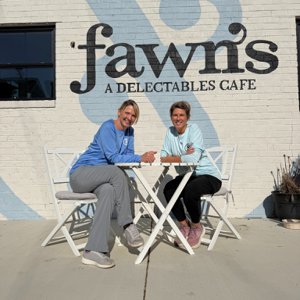
Faces & Places of the Northern Neck: Fawn Deihl


Where a “,but God” Becomes a Story of Restoration in Reedville

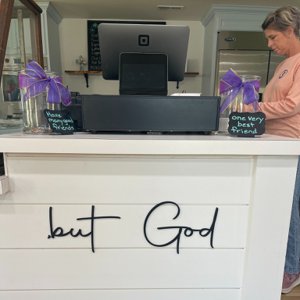
The first thing you notice when you walk into Fawn’s Delectables Café isn’t the smell of fresh cinnamon rolls—though that will get your attention quickly.

It’s the words.

Right there at the register, where every customer can see them, are two simple, powerful words:
“,but God.”

They’re not there by accident.
They’re the reason the café exists at all.

Fawn Deihl didn’t set out to open a café. In fact, there was a season when she wasn’t sure she’d ever find her way back to Reedville at all.

“I never thought I’d be able to come back here,” she shares honestly. “It’s a small town.”

Life had taken her down a difficult road—one marked by loss, humility, and starting over. A few years ago, she found herself doing something she had never done before: waitressing. Coffee shops. Breakfast spots. One small step at a time.

Looking back now, she sees it differently.

Or, as she’s come to say it now—
there’s always a comma, not a period.

,but God

Today, Fawn is remarried to her husband, John Mark, and together they’ve built something neither of them could have imagined during those harder years.  Together, they’ve also rebuilt something even more meaningful—life close to home, with their three sons all living locally and a growing family woven into the rhythm of everyday life.

The building that now houses Fawn’s Delectables Café was once an old dentist’s office—complete with brown carpet, a dated water fountain, and decades of wear. When they first walked in, John Mark saw a property.

Fawn saw something else entirely.

“I said, ‘No… I want a coffee shop. A bakery,’” she recalls.

At the time, she couldn’t get a loan. So she took a leap—drawing from what she had saved to fund the renovation.  Day by day, they worked side by side, tearing down, rebuilding, and reimagining the space.

“We were here every single day,” she says.

They opened their doors in May of 2023.

Even then, there was uncertainty.  But in the middle of that uncertainty, other local business owners stopped by during renovations with a message she’s never forgotten:

“Don’t worry—the locals will support you.”

She pauses, smiles, and adds simply, “And they have.”

That support is now woven into the daily rhythm of the café.

There are the regulars—some who come once a day, others twice. Two standing Friday morning groups have become part of the fabric of the place: one older group who arrive right at 6:00 a.m., and another just behind them—“the young guys,” she laughs—in their 60s and 70s.

“They haven’t missed a Friday,” she says.

For Fawn, that’s been the most rewarding part of all.

“The people.”

Of course, the food doesn’t hurt.

Her cinnamon rolls are a customer favorite, along with the bacon, egg, and cheese croissant. And then there’s Miss Clara’s pound cake—a recipe passed down from a local woman known for bringing it to gatherings, now continuing its legacy one slice at a time.

“Everybody knows Miss Clara,” Fawn says.

The menu is part consistency, part creativity—shaped by what’s on hand, what customers request, and what feels right in the moment.

But behind the counter, there’s another layer to the story—one that means just as much.

Fawn runs the café alongside her best friend, Karen Newsome; a friendship that goes all the way back to middle school. Like many lifelong friendships, theirs has seen seasons of closeness and distance, but always found its way back.

“She never gave up on me,” Fawn says quietly.

Now, they work side by side—serving customers, baking, and sharing in the everyday moments that make the café feel like more than just a place to eat.

Ask Fawn what she loves most about living in Reedville, and her answer comes easily now—though she admits it might not have years ago.

“The quiet. The stillness. The community.”

Having seen life beyond it, she’s come to appreciate what was here all along.

“It’s a special place.”

And maybe that’s what makes Fawn’s Delectables Café feel the way it does.

It’s not just the baked goods.
It’s not just the coffee.

It’s the story.

A story of humility.
Of second chances.
Of a community that showed up.

And of a God who never stopped working—even in the middle of the mess.

So when customers walk up to the register and see those words—
“,but God”—they’re not just reading a phrase.

They’re standing inside the story.


At Bay River Realty, we have the privilege of introducing people not just to homes, but to the heart of communities like Reedville—where stories like Fawn’s remind us that sometimes the most meaningful places are the ones that welcome you back.

April 21, 2026

Northern Neck Real Estate: Q1 2026 Market Summary

The Northern Neck real estate market continues to transition from the highly active conditions seen between 2020 and 2022 into a more balanced and steady pace. While the number of sales has declined from peak levels, recent data suggests the market is beginning to level out rather than continuing to drop.

Total 1st quarter sales activity reflects this shift…

  • 2021: 318 sales
  • 2022: 278 sales
  • 2023: 211 sales
  • 2024: 199 sales
  • 2025: 165 sales
  • 2026: 163 sales

 While activity is clearly lower than it was during the peak years, the consistency between 2025 and early 2026 indicates a stabilizing market.

This local trend aligns with what is being seen nationally and across Virginia. Inventory levels have improved compared to the tight supply of recent years, and while interest rates remain higher than the unusually low levels seen during the pandemic market, they are still within a range that many buyers find workable. At the same time, individuals with funds in savings or investment accounts are often earning stronger returns than they were when rates were near historic lows. Overall, the market has shifted, but it remains active and functional for both buyers and sellers.

Inventory & Market Conditions

One of the most noticeable changes in the market is the increase in available inventory. Buyers now have more choices and are not facing the same level of urgency that defined the market just a few years ago. This is a positive development for buyers, allowing for more thoughtful decision-making.

For sellers, however, this increase in inventory creates more competition. Properties that are priced correctly and present well continue to attract attention and sell in a reasonable timeframe. In contrast, homes that require significant updates or show deferred maintenance tend to take longer to sell and may require price adjustments to generate interest.

Property Types & Buyer Demand

Inland homes remain the most common type of transaction in the Northern Neck market. In Q1 2026, inland homes accounted for 81 sales, representing approximately 50% of all transactions. Waterfront homes followed with 32 sales, or about 20% of the market. Inland land and waterfront land accounted for 33 and 16 sales respectively.

While inland homes make up the largest share of activity, waterfront properties continue to play a significant role in attracting out-of-area buyers. Many individuals are drawn to the Northern Neck for its waterfront lifestyle, whether for primary residences, second homes, or retirement properties. As a result, waterfront homes remain a key driver of demand and continue to command strong pricing in many areas.

Pricing Trends

Home values in the Northern Neck have remained strong, with certain segments continuing to see upward pressure on pricing. Waterfront properties, in particular, continue to command a premium.

In Lancaster County, the average waterfront home sale price approached $1 million, with an average of $969,409. In Northumberland County, waterfront homes averaged approximately $706,582. These figures highlight the continued demand for waterfront living and the value buyers place on location, water access, and views.

Inland home prices have remained stable across the region, with some variation between counties. While appreciation has moderated compared to the rapid increases seen in prior years, values have generally held, especially for well-maintained and properly priced properties.

Days on Market

The pace of the market has slowed compared to the height of activity in 2020–2022, but remains stronger than pre-2020 conditions.

In Q1 2026, waterfront homes averaged approximately 96 days on market, while inland homes averaged around 127 days. Land, however, continues to move at a much slower pace. Inland land averaged 297 days on market, and waterfront land averaged 408 days.

These figures reinforce the importance of understanding how different property types perform. Homes, particularly those that are well-prepared and properly priced, continue to sell at a reasonable pace. Lots and land require more patience and a strategic approach to pricing and marketing.

Understanding List Price to Sale Price Ratios

List-price-to-sale-price ratios can sometimes be misleading if not properly understood. These ratios are based on the final list price prior to a property selling, not the original list price when it first entered the market.

If a property was initially overpriced and later reduced before selling, those earlier price reductions are not reflected in the final ratio. Additionally, properties that are selling in today’s market are often those that were priced correctly from the beginning, rather than those that entered the market with the expectation of adjusting later. This makes accurate pricing at the outset especially important.

The Role of Interest Rates

Interest rates remain a key consideration for buyers. While rates are higher than the historically low levels seen in recent years, they remain within a reasonable range by long-term standards. Buyers today also benefit from having more inventory and, in many cases, more negotiating opportunities than were available during the most competitive periods of the market.

At the same time, higher interest rates have had the effect of slowing demand to a more sustainable pace, contributing to a more balanced environment overall.

Why Professional Guidance Matters

In a market that is no longer moving at an accelerated pace, the role of a knowledgeable real estate professional becomes even more important. Pricing a property correctly, preparing it for the market, and positioning it effectively can have a direct impact on both the final sale price and the overall experience.

Sellers who take a strategic approach and work with experienced guidance are often able to net more from the sale and avoid common pitfalls that can delay or complicate a transaction. Buyers also benefit from professional guidance in identifying opportunities, negotiating terms, and navigating the process from contract to closing.

Is Now a Good Time to Sell?

For many sellers, the answer is yes. Property values remain strong, and serious buyers are still actively searching for well-priced homes. However, success in today’s market depends on proper pricing, strong presentation, and a well-executed marketing strategy. The days of simply listing a property and expecting immediate results have largely passed, making preparation and positioning more important than ever.

Is Now a Good Time to Buy?

For many buyers, the answer is also yes. Increased inventory provides more options and allows for a more measured approach to purchasing. While interest rates are higher than in recent years, they remain manageable for many buyers, and the current market often provides more flexibility and negotiating opportunities than were available during peak conditions.

Final Thoughts

The Northern Neck real estate market is no longer defined by the rapid pace of recent years, but it remains active and full of opportunity. Whether buying or selling, understanding current conditions and working with experienced guidance can make a significant difference in achieving the best possible outcome.

__________________________________________

 How This Data Is Obtained

The market statistics referenced in this report are intended to provide a high-level snapshot of real estate activity across the Northern Neck and are based on data pulled from the Northern Neck Association of Realtors Multiple Listing Service (NNAR MLS).

It is important to note that not all real estate sales are reflected in this data. Some properties sell without being listed with a real estate professional and therefore do not appear in MLS statistics. In addition, some properties in and around the Northern Neck are listed and sold through neighboring MLS systems rather than NNAR MLS.

While NNAR MLS is the predominant MLS serving the Northern Neck, counties such as Essex and Westmoreland often show fewer reported transactions due to their proximity to neighboring MLS associations. By comparison, Richmond, Northumberland, and Lancaster Counties tend to reflect a higher percentage of total market activity within the NNAR MLS.

These reports represent data that has been consistently tracked over several years and are used for year-over-year market comparisons and trend analysis.


Posted in Real Estate
April 16, 2026

Faces and Places of the Northern Neck: Sinka and Richard Thomas

Sinka and Richard Thomas: A Life of Service, One Neighbor at a Time

If you spend enough time in the Northern Neck, you’ll start to notice certain names come up again and again.  At the store. On a school bus. In a classroom. At a county meeting.
And before long, you realize many of those moments trace back to the same two people: Sinka and Richard Thomas.

More often than not, those connections begin at Thomas Store—the familiar family owned and operated country store on History Land Highway that has become something of a landmark in Richmond County.  Thomas’ is a longtime local staple known for deli food, baked goods, and friendly service. But to those who know the Thomases, the store has always been about more than groceries, sandwiches, or a quick stop on the way to the river. It is a gathering place, a connector, and in many ways, an extension of the family itself.

Richard’s connection to the store runs all the way back to childhood. His mother opened Thomas Store in March of 1970, fulfilling a dream she had carried for years. Richard was just nine years old at the time, and in one way or another, he has been part of it ever since.

“I’ve been there ever since,” he said simply.

That sentence, like so much about Richard, carries more than it first appears to. Over the years, his role has changed with the needs of the store and the needs of the community. He has stocked shelves, helped customers, worked the farm, driven a school bus, served on the county Board of Supervisors, volunteered in countless ways, and become one of those rare people whose name is almost synonymous with the place he loves.

And beside him through it all has been his wife, Cynthia — though around here, almost no one calls her that.

The nickname “Sinka” began when a slightly older neighborhood boy couldn’t pronounce Cynthia when she was a baby. The name stuck, and all these years later, nearly everyone still knows her that way. In fact, generations of children have known her even more fondly as Nurse Sinka.

For 23 years, she has served as a school nurse at Richmond County Elementary School. Before that, she worked in hospital nursing, occupational health, family practice, and long-term care. Altogether, she has spent more than four decades in nursing — a calling she has lived out not only with skill, but with tenderness.

She is the kind of nurse who remembers that little things matter.

A child loses a tooth at school, and she finds a sweet little container to send it safely home for the tooth fairy. A frightened kindergartner comes in crying and missing his mother, and she walks him down to see his sibling so the day feels manageable again. Students call her Grandma. They tell her they love her. And she loves them right back with the kind of steady care that children remember long after they leave elementary school.

That same spirit of care shows up in both of their lives again and again.

Richard has driven a school bus for 46 years. He still lights up when former students recognize him in public and remind him that once upon a time, he was their bus driver. He has also served on the Richmond County Board of Supervisors since first winning election in 2009 for a term that began in 2010, where he now serves as vice chair. In that role, he helps oversee county decisions, budgets, ordinances, and the long, often unseen work of local government. 

But ask Richard what ties all those roles together, and the answer is simple: people.

Whether he is helping govern the county, driving a bus route, farming, or talking with customers at the store, he sees each role as another way to serve. Over the years, Thomas Store has put him in contact with everyone from lifelong locals to brand-new neighbors, and he has used that front-row seat to help connect people with what they need — a local contractor, a small business, a recommendation, a conversation, a meal, a little kindness.

He is especially passionate about supporting locally owned small businesses.

“You’ve got to shop local,” he said, “but it really should be shop local owned.”

That conviction says a lot about the Thomases. They care deeply about the people who live and work here, and they understand that strong communities are built by neighbors who keep showing up for one another.

That spirit of showing up is woven throughout their family story, too.

Richard and Sinka met as teenagers and dated for six years before marrying in 1983. This December, they will celebrate 43 years of marriage. Together they have raised two sons, built a life rooted in work and service, and welcomed grandchildren who are now part of the rhythm and joy of their days. The family’s work ethic is being carried on by their two boys who each have their own business–Richard has RT’s Midway Entertainment and David has T-Boys Lawncare–but the common thread is the same: hard work, family loyalty, and a willingness to do what needs to be done.

And “doing what needs to be done” has never been abstract for them.

There have been early mornings, late nights, missed holidays, emergency breakfasts cooked before dawn, and countless sacrifices that come with running a family business and serving a community at the same time. Richard is the first to say none of it would have been possible without the support of his family. Sinka, in turn, speaks matter-of-factly about stepping in wherever she is needed — at the store, on the farm, or behind the scenes — because that is simply what families do.

Thomas Store itself reflects that same ethic. The store opens early, closes late, and serves as far more than a convenience stop. The heart of the place is not what is sold there but what is shared there: conversation, trust, memory, familiarity, and the sense that someone knows your name when you walk in the door.

Over time, the store has grown into a genuine landmark. Richard says people will stop him in Richmond when they see his Thomas Store shirt and say they know exactly where it is — that it is the place where they meet family on the way to the river, or the stop they remember from years of coming to the Northern Neck.

That kind of recognition does not happen by accident. It is built over decades, one sandwich, one conversation, one favor, one early morning, one familiar face at a time.

When asked what they love most about life in the Northern Neck, both Richard and Sinka gave the same answer: the people.

That answer fits.

They love the way people still wave. They love the way neighbors help neighbors. They love the shared understanding that this region has its own culture, its own pace, its own way of life — and that those things are worth preserving. They speak honestly about change, but also with gratitude for the community that has shaped them and the opportunities this place has given their family.

Listening to them, it becomes clear that their story is not really about wearing many hats, though they certainly do. It is about faithfulness. It is about staying. It is about doing small things with great care over a very long stretch of time.

Near the end of the conversation, Sinka said something that seems to capture both of them well: “It’s the little things in life.”

That may be the best way to understand Sinka and Richard Thomas.

The little things are exactly what they have spent a lifetime doing well — caring for a child, helping a neighbor, opening the store, driving the route, making the meal, serving the county, loving their family, supporting the community, and trusting that all of it matters.

And in the Northern Neck, it does.

At Bay River Realty, we love telling the stories behind the places that make this region feel like home — and few stories reflect the heart of the Northern Neck more than this one.

April 14, 2026

Common Real Estate Terms Every Buyer and Seller Should Know

Whether you’re buying, selling, or simply planning for the future, real estate comes with its own language—and understanding it can make a significant difference in how confident and prepared you feel throughout the process.

Below is a list of some of the most common real estate terms, explained in a clear and practical way to help you better navigate the buying and selling process.


A

Appraisal – A professional evaluation of a property’s value, typically required by a lender to confirm the purchase price is supported by the market. Appraisers consider comparable sales, condition, size, location, and overall features.

Appraised Value – The final opinion of value determined by the appraiser. If the appraised value is lower than the contract price, it can impact financing and may require renegotiation.

As-Is – A property being sold in its current condition, with the seller not agreeing to make repairs. Buyers can still conduct inspections but should be prepared to accept the property as it stands.


B

Broker – A licensed real estate professional who can operate a brokerage, supervise agents, and ensure compliance with state laws and regulations.

Buyer’s Agent – An agent who represents the buyer’s interests, providing guidance on property selection, pricing, negotiations, and the overall transaction process.


C

Closing – The final stage of a real estate transaction where both buyer and seller are involved in signing documents, funds are transferred, and ownership officially changes hands.

Closing Costs – Expenses paid at settlement by both buyers and sellers. Buyer costs often include lender fees, title insurance, and escrows, while seller costs may include agent compensation, transfer taxes, and other settlement-related fees.

Comparative Market Analysis (CMA) – A report prepared by a real estate agent to estimate a property’s value based on comparable properties that are active, under contract, or recently sold.

Contingency – A condition written into a contract that must be met for the transaction to proceed. Common examples include financing, inspection, appraisal, and the sale of another property.

Contract – A legally binding agreement outlining the terms of a real estate transaction. This includes both purchase contracts between buyers and sellers and listing agreements between a seller and a brokerage, authorizing the firm to market and sell the property.

County Assessment – The value assigned to a property by the local government for tax purposes. This value may differ significantly from market value or appraised value.


D

Days on Market (DOM) – The number of days a property has been actively listed for sale. This can influence buyer perception and negotiating leverage.

Deed – The legal document used to transfer ownership of real estate from one party to another, recorded in local land records.

Down Payment – The portion of the purchase price paid upfront by the buyer, with the remaining balance typically financed.


E

Earnest Money Deposit (EMD) – A deposit made by the buyer to demonstrate serious intent. It is held in an escrow account by a third party until all contract conditions are satisfied or both parties agree in writing to release it.

Easement – A legal right allowing someone else to use a portion of a property for a specific purpose, such as access, utilities, or drainage.

Equity – The difference between a property’s market value and the amount owed on any loans, representing the owner’s financial interest in the property.

Escrow Account – A neutral account where funds—such as earnest money or prepaid taxes and insurance—are held by a third party until specific conditions of a contract are met.


F

Fair Market Value – The price a property would likely sell for in an open market where both buyer and seller are informed and acting without pressure.

Financing – The process of obtaining funds, typically through a lender, to purchase property. Loan terms, interest rates, and structure all impact affordability.

Flood Insurance – Insurance required for properties located in designated flood zones, providing protection against flood-related damage. This is separate from homeowners insurance.


H

Home Inspection – A professional evaluation of a property’s condition, including structure and major systems such as roof, HVAC, plumbing, and electrical.

Homeowners Insurance – Insurance that protects the home against damage from events such as fire, storms, or theft, and is typically required by lenders.


L

Lien – A legal claim against a property due to unpaid debt that must typically be resolved before the property can be sold.

Listing – A property that is offered for sale through a brokerage under a listing agreement.

Listing Agent – The agent representing the seller, responsible for pricing guidance, marketing, showings, and negotiating offers.

Loan Estimate – A document provided by a lender outlining estimated loan terms, monthly payments, and closing costs early in the financing process.


M

Market Value – The price a property is likely to sell for based on current market conditions.

MLS (Multiple Listing Service) – A shared database used by real estate professionals to market properties and provide exposure to buyers and agents.

MLW Depth (Mean Low Water Depth) – The average water depth at low tide, used to determine whether a waterfront property can accommodate certain types and sizes of boats. This is an important factor when evaluating usability for boating, docking, and water access.


O

Offer – A formal proposal from a buyer to purchase a property, including price, terms, contingencies, and timelines.


P

PITI – An acronym for Principal, Interest, Taxes, and Insurance, which together make up a typical monthly mortgage payment.

PMI (Private Mortgage Insurance) – Insurance required by lenders when a buyer makes a smaller down payment (often less than 20%). It protects the lender in case of default.

Pre-Approval – A lender’s confirmation of a buyer’s borrowing ability based on a review of financial information.

Principal – The original amount borrowed on a loan, excluding interest.

Property Taxes – Taxes assessed by local governments based on property value to fund public services.


R

Real Estate Agent – A licensed professional who assists buyers and sellers with real estate transactions, working under a broker.

Riparian Rights – Rights granted to waterfront property owners, including access to and reasonable use of the water, often extending to the shoreline or beyond.

RPA (Resource Protection Area) Setback – Environmental regulations, common in waterfront areas, that restrict how close structures can be built near water to protect natural resources.


S

Seller Concessions – Costs the seller agrees to pay on behalf of the buyer, often used to help with closing costs or make a transaction more appealing.

Settlement – Another term for closing, where both buyer and seller complete the transaction, sign documents, and funds are distributed.

Survey – A professional measurement of property boundaries, improvements, and easements.


T

Title – Legal ownership of a property, which must be clear of liens or disputes before it can be transferred.

Title Insurance – Insurance that protects buyers and lenders against future claims or issues with ownership, such as undiscovered liens or errors in public records.

Transaction – The entire process of buying or selling property, from initial agreement through closing.


U

Under Contract – A property that has an accepted offer but has not yet closed, often still subject to contingencies.


Z

Zoning – Local regulations that determine how a property can be used and what can be built on it.


Understanding these terms isn’t just about learning real estate language—it’s about making informed decisions and avoiding costly surprises. Whether you’re preparing to buy, thinking about selling, or simply planning ahead, having a clear understanding of the process puts you in a much stronger position.

If you ever have questions about these terms—or how they apply to your specific situation—we’re always here to help. At Bay River Realty, our goal is to guide you through the process with clarity, confidence, and a focus on what’s best for you.

Reach out anytime if you’d like to talk through your plans or get a better understanding of your options.

Posted in Real Estate