Northern Neck Real Estate Blog

June 18, 2026

Faces & Places of the Northern Neck: Angie Sanders

More Than a Boutique, A Ministry to Women

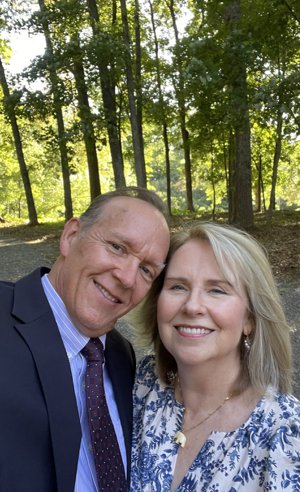
Most people in the Northern Neck know Angie Sanders as the smiling face behind Angie's Strength & Style Boutique in Warsaw.

They know her for helping women find the perfect outfit, discover their best colors, or leave with a little more confidence than they had when they walked through the door.

What many may not know is that the boutique she opened in her 50s was never part of some carefully crafted career plan. Instead, it was the result of a series of unexpected turns, hard-earned lessons, and a willingness to follow where she believed God was leading.

Angie grew up in Montross in a close-knit family rooted in faith. Although her father didn't become a pastor until later in life, his spiritual transformation left a lasting impression on Angie. After graduating from Washington & Lee High School in 1986, she planned to attend college but chose a different path, marrying young and moving to Arizona.

There, she worked as a waitress before becoming an optician's assistant and welcomed her son, Chris, at just 20 years old.

Over the years, life took her from Arizona to Charlottesville and eventually back home to the Northern Neck. Along the way she worked a variety of jobs—waiting tables, designing kitchens, managing accounts receivable, selling insurance, working in real estate, and later serving as secretary at Cobham Park Baptist Church.

During those years, she built the family life she treasures today with her husband, Kent. Together they raised their children, Chris and Kinsey, and through every career change, leap of faith, and new opportunity, Kent has been one of Angie’s biggest supporters.

Each job taught her something. None seemed connected at the time.  But what once felt like a series of disconnected jobs now looks more like a path being carefully laid before her.

"God puts things in your path for a reason," she said.

The idea that would eventually become Angie's Strength & Style began almost by accident.

While working at her church and teaching fitness classes at the YMCA, Angie started selling clothing from her home. At first, it seemed like a fun side business. But something unexpected happened.

She discovered it wasn't really about the clothes.

Working one-on-one with women, she began to see how much confidence, encouragement, and self-worth could be wrapped up in something as simple as finding an outfit that made someone feel beautiful.

"It wasn't just about the outfit," Angie said. "It was helping someone feel better about themselves."

That realization planted a seed.

What started with clothing parties in her home gradually grew into a small retail space, and eventually into the boutique she opened in October 2020—in the middle of the COVID pandemic.

To many people, launching a new business during such an uncertain time might have seemed risky.

Angie's perspective was simpler.

"What's the worst that can happen?" she said. "I'll fall on my face, get back up, and do something else."

Even so, the decision wasn't easy.

At the time, she was serving in ministry at her church and felt deeply conflicted about leaving. She spent months praying through the decision and wrestling with whether pursuing a business was really what God wanted for her life.

The answer came through a series of open doors, including the availability of the very space where her boutique now operates.

"If God truly calls you to do something, He's not going to throw you out there and desert you," she said. "If you feel like He's put something on your heart, He's certainly not going to ask you to do it on your own."

Today, Angie's Strength & Style offers far more than clothing.

Angie is a Certified Christian Image Consultant who provides color analysis, image consultations, styling services, and spray tanning. But she is quick to point out that her work goes deeper than helping someone choose the right colors or styles.

Much of her approach is rooted in her own life experience.

Following the end of a verbally abusive first marriage, Angie understands firsthand what it feels like to struggle with confidence and self-worth.

"I know what it's like," she said.

That understanding shapes the way she serves the women who walk through her doors.

"The world is so quick to tell us that we aren't worth anything," she said. "I want women to leave here knowing they're appreciated, they're important, and feeling better than when they came in."

It is also why she views her work as a ministry.

"I couldn't do this job if I just got up every day to sell a shirt," she said. "It's about the women I'm serving. This is my ministry to the women in my community."

That ministry extends beyond the walls of her boutique.

Like many small business owners in the Northern Neck, Angie believes deeply in supporting local causes, community events, and fellow businesses. She credits much of her success to the people who have supported her along the way.

"Our community is a very tight-knit group," she said. "When somebody's sick, we all jump in and help. If there's an unexpected death in a family, we all rally around them. We might be a small town, but we have a big heart."

As Angie's Strength & Style celebrates six years in business, Angie remains grateful for the path that brought her here—even the twists and turns she never expected.

If she could sit down with the younger version of herself who was wondering whether to take the leap, she knows exactly what she would say.

Remember why you feel called to do it.

And trust God's timing.

After all, the boutique may be filled with clothing, but the real purpose has always been helping women see themselves through a different lens—one that reflects their worth, their beauty, and the truth that they are loved.

For Angie Sanders, that's a dream worth pursuing.
June 16, 2026

Life and Circumstances Change. Housing Needs Change Too.

Most real estate decisions aren’t really about real estate.

They’re about life.

People get married. Families grow. Children graduate. Careers change. Parents age. Health needs evolve. Retirement approaches. Loved ones pass away. Sometimes life brings exciting opportunities. Other times it brings challenges we never expected.

As life and circumstances change, housing needs often change too.

At Bay River Realty, we’ve spent decades helping people navigate these transitions. While every situation is unique, one thing remains consistent: the decision to buy or sell a home, waterfront property, farm, or parcel of land is usually tied to a larger life event.

New Beginnings

Some housing decisions are driven by exciting new chapters.

Marriage often leads to combining households and making plans for the future. A growing family may need additional bedrooms, more storage, a larger yard, or simply more space to spread out.

For many people, buying a home represents more than a real estate transaction. It’s the place where they’ll raise children, celebrate holidays, host family gatherings, and build memories that last a lifetime.

As families grow and priorities change, it’s natural for housing needs to change as well.

Graduation and New Opportunities

Graduation often marks the beginning of a new season of life.

A son or daughter may leave for college, begin a career, join the military, or relocate for a new opportunity. Young adults may begin looking for their first home or move to a different community.

At the same time, parents often find themselves entering a new chapter as well. After years of raising children, they may begin considering downsizing, relocating, or pursuing goals they’ve postponed while raising a family.

One life event can create housing decisions for multiple generations.

The Memories We Make Along the Way

Here in the Northern Neck, we often work with families who purchase second homes or waterfront properties.

Many buy these properties with a vision of spending time with children, grandchildren, friends, and extended family. Weekends are spent fishing from the pier, boating on the river, swimming, enjoying cookouts, or sitting around a fire pit sharing stories while watching the water.

For years, those properties become gathering places where memories are made and traditions are established.

But life has a way of changing.

Children grow up. School activities, sports, jobs, and college commitments begin filling the calendar. Families become busier. What was once a property visited every weekend may gradually become a property visited only a few times each year.

At the same time, parents and grandparents get older. Some begin looking for less maintenance. Others want to be closer to children, grandchildren, healthcare providers, or everyday conveniences.

Eventually, many decide it’s time to sell.

What makes this process special is that the story often begins again. A new family purchases the property and starts creating memories of their own. They enjoy the same waterfront views, gather around the same fire pit, fish from the same pier, and begin a new chapter in the property’s history.

In many ways, real estate ownership reflects the different seasons of life.

Downsizing and Simplifying

As people get older, many begin looking for ways to simplify life.

A home that was perfect twenty years ago may no longer fit current needs. Maintaining extra bedrooms, multiple levels, large yards, outbuildings, or waterfront improvements can become more work than enjoyment.

Some homeowners begin looking for one-level living. Others want less maintenance, a smaller property, or a location that’s closer to family and services.

Downsizing isn’t always about moving to a smaller home. More often, it’s about moving to a home that better supports the next stage of life.

Financial and Career Changes

Not every housing decision is planned years in advance.

Career opportunities may require relocation. Retirement may lead to moving closer to family or to a community that better fits a new lifestyle.

Sometimes financial hardship, unexpected expenses, or the loss of employment creates the need to reevaluate housing decisions.

While these situations can be stressful, they often create opportunities for a fresh start and a new direction.

Health and Family Considerations

Health changes can also influence where and how people live.

Whether it’s the natural aging process, reduced mobility, a medical diagnosis, or the need to be closer to healthcare providers, housing needs can change quickly.

We’ve also worked with many people who simply want to be closer to children and grandchildren. As families spread out across Virginia and beyond, priorities often shift. Being near loved ones can become more important than staying in a particular home or location.

A home that once fit perfectly may no longer be the best fit for the future.

When Life Takes an Unexpected Turn

Not all life changes are welcome.

The loss of a spouse, the passing of a parent, or a divorce can create difficult decisions involving real estate.

Sometimes adult children are responsible for helping settle an estate and sell a parent’s property. Other times, a surviving spouse chooses to relocate or move closer to family. In the case of divorce, one household often becomes two, creating the need to buy, sell, or relocate.

These situations often involve much more than a real estate transaction. They involve emotions, family decisions, and major life adjustments.

Having experienced professionals to help guide the process can make an already difficult season a little easier to navigate.

Life Doesn’t Stand Still

If there’s one thing we’ve learned over the years, it’s that life doesn’t stand still.

The homes, farms, waterfront properties, and land we help people buy and sell are important. But what they represent is often even more important. They are the places where families gather, children grow up, memories are made, businesses are built, retirements begin, and life unfolds.

Eventually, circumstances change for all of us.

Over the years, we’ve had the privilege of helping people through just about every life transition imaginable. We’ve celebrated with first-time homebuyers, growing families, and retirees beginning a new chapter. We’ve helped people relocate for exciting career opportunities, purchase waterfront retreats, and move closer to children and grandchildren. We’ve also walked alongside families during some of life’s more difficult moments, including health challenges, divorce, the loss of loved ones, and the responsibility of settling estates.

Every situation is different, but one thing remains the same: people need guidance they can trust when facing important decisions.

Whether you’re experiencing an exciting new beginning or navigating an unexpected challenge, Bay River Realty is here to help. We understand that real estate decisions are often connected to much larger life circumstances, and we consider it a privilege to help people move from one chapter of life to the next.

Because while properties change hands, it’s life’s changing circumstances that usually drive the decision.

Posted in Real Estate
June 11, 2026

Faces and Places of the Northern Neck: Paul Welch


Four Generations of Service and a Love for the Northern Neck


In a close-knit community like the Northern Neck, some people become woven into the fabric of everyday life. Paul Welch is one of those people.

We know the steady voice, the familiar face, and the man who has walked with countless families through some of their hardest days.

For nearly three decades, Paul has helped guide families through loss with compassion, dignity, and a quiet understanding that comes from living and working in a close-knit community where relationships matter.

"It's hard but also meaningful because they're people I really love that I'm helping," he said. "But it allows me to care for those people and help take them by the hand through the process."

Over the years, best friends have called him in the middle of the night after losing a parent. Neighbors have sat across from him making funeral arrangements for someone he knew personally. Families he has watched grow up have trusted him to help them navigate grief.

In a larger city, the work might feel different. But here, it is deeply personal.

"Here, it's all relationship driven," Paul said.

That philosophy has shaped not only the way he serves families, but also the way he views the Northern Neck itself.

Paul’s roots in the Northern Neck run deep, being the fourth-generation of continually operated businesses owned and operated by the Welch Family.  His family story stretches through generations of local history, from general stores and tomato canneries to farms that have remained in the family for more than 150 years.


His father, Johnny Welch, opened the first Welch Funeral Home in Montross sixty years ago this year. Paul was just three years old when the family moved into the apartment above the funeral home.

The business became a way of life.

"There were no vacations," Paul recalled. "You were tied to the phone."

His father worked multiple jobs for years while building the business and often poured every available dollar back into it.

"He didn't draw a salary from the funeral home for eighteen years," Paul said.

That strong work ethic left a lasting impression.

After graduating from Washington and Lee High School in 1980 and earning a business management degree from Virginia Wesleyan College in 1984, Paul built a career in tax auditing and spent more than a decade living in Richmond.

Along the way, he met a dental hygienist named Julie Germain.

"She cleaned my teeth," he said with a laugh.

The two married in 1990 and later welcomed two children, Emma and John.

By the late 1990s, with a growing family and a desire to return home, Paul joined his father in the family business. He returned to school to earn his funeral service degree while commuting, working, and helping raise a young family.

He earned his funeral director's license in 2000, the same year Welch Funeral Home opened its Haynesville location, situated intentionally between the Rappahannock and Potomac rivers in order to serve families in both Richmond and Northumberland Counties.


Today, while most people know Paul through the funeral home, many have also come to know him through a very different passion.  If you've picked up one of his Northern Neck calendars over the past few years, you've seen the region through his eyes.

A lifelong photography enthusiast, Paul received his first camera as a boy and never lost his fascination with capturing the world around him. In recent years, that passion has taken flight through drone photography.

His aerial images of creeks, rivers, farms, churches, and small towns have become beloved throughout the Northern Neck, eventually inspiring the annual calendars that now hang in hundreds of homes.

"I love seeing different places from different perspectives," he said.

What began with a simple drone grew into a passion for showcasing the beauty of the Northern Neck from above. He has photographed everything from regattas and waterfront communities to quiet stretches of marshland glowing at sunrise.

Many of his favorite images come from places that hold special meaning to him personally—Cat Point Creek, Edwardsville, and family property where generations of his ancestors walked long before him.

Family land means a great deal to Paul. His father's farm has been in the family for more than 150 years, and he has spent much of his life exploring its woods, shoreline, and fields. Two hundred acres have been placed in a conservation easement, ensuring the land will remain protected for future generations.

For Paul, those walks are about more than exercise.

"I find it peaceful and close to God being out there," he said.

That appreciation for the land has also fueled another lifelong passion: family history.

Paul has spent years researching both his own ancestry and Julie's, tracing family connections deep into Northern Neck history. He lights up when talking about old family farms, forgotten stories, and the surprising discoveries that come from looking into the past.

"I just love interesting things where you can buy a piece of property in the Northern Neck and find out it was in your family 150 years ago," he said.

His interest in history extends beyond genealogy. One of his favorite projects involves an old gristmill near Downings that sits on property he and his father purchased years ago. Through research, Paul discovered that several generations of his own family once owned the mill—a connection he never expected to find.

"I just love stuff like that," he said.

And perhaps that is the thread that ties together so much of Paul's life.

He helps families preserve memories of loved ones.

He preserves the beauty of the Northern Neck through photography.

He works to preserve family stories and local history.

And he helps protect land that will remain part of the Northern Neck's story long after he is gone.

As Paul looks toward the future, he knows there will eventually come a day when Welch Funeral Home passes into other hands. While larger companies have expressed interest, he says any future owner must share the values that have guided the business for decades.

"I'm not going to let it go to anybody that won't care for the community like I do," he said.

It is a sentiment that reflects not only how Paul approaches business, but how he approaches life.

Whether he is comforting a grieving family, flying a drone over a winding creek, walking land his ancestors once knew, or uncovering stories from generations past, Paul Welch's life has been rooted in caring for people and preserving what matters.

And in the Northern Neck, those two things often go hand in hand.


June 9, 2026

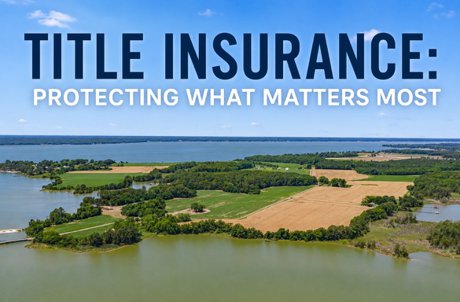
Understanding Title Insurance: What It Covers, Why It Matters, and What It Costs


When buying or selling real estate, most people focus on the property itself—its condition, location, financing, inspections, and negotiations. One item that often receives less attention is title insurance, even though it can protect one of the largest investments many people will ever make.

Whether you’re purchasing a waterfront home in Northumberland County, a farm in Essex County, a lot in Lancaster County, or a historic property in Westmoreland County, understanding title insurance is an important part of the transaction.

What Is Title Insurance?

Title insurance protects property owners and lenders against financial loss caused by problems with a property’s title that may have existed before the purchase.

When you buy real estate, you’re not just purchasing the land and improvements—you are also purchasing the legal ownership rights to that property. Before settlement, a title company or attorney conducts a title search to identify issues that could affect ownership.

Even with a thorough title search, some problems are not always discovered until after closing. That’s where title insurance comes in.

Unlike homeowners insurance, which protects against future events such as fire, storms, or theft, title insurance protects against certain issues that may have already existed but were unknown at the time of purchase.

What Does Title Insurance Cover?

While every policy contains specific terms and exclusions, title insurance commonly provides protection against:

Errors in Public Records

Clerical mistakes can occur when deeds, surveys, court documents, or tax records are recorded.

Unknown Liens

Previous owners may have unpaid debts, taxes, judgments, or contractor liens that were not properly released.

Boundary and Survey Issues

Questions about property lines, encroachments, or easements can sometimes arise after closing.

Missing Heirs or Ownership Claims

An unknown heir may later claim ownership rights to the property.

Forgery or Fraud

A deed or legal document in the chain of title may have been forged or fraudulently executed.

Recording Errors

Mistakes made when documents were filed in public records can create ownership issues.

Easement and Access Issues

Some properties, particularly rural parcels and waterfront tracts, may have access rights, shared driveways, or easements that create legal questions.

If a covered claim arises, the title insurance company generally provides legal defense and may pay covered losses up to the policy limits.

Why Is Title Insurance Especially Important in Our Area?

The Northern Neck and Middle Peninsula have a rich history dating back hundreds of years. Many properties have passed through multiple generations of ownership.

As a result, local transactions sometimes involve:

  • Family-owned property passed down through estates
  • Old deeds with vague legal descriptions
  • Waterfront boundaries that have changed over time
  • Unrecorded easements or rights-of-way
  • Properties that have been subdivided numerous times
  • Heirship situations where ownership may not have been fully documented

In addition, many rural properties rely on shared roads, easements, private lanes, or historical access arrangements that may not be obvious from simply viewing the property.

Because of these factors, title insurance often provides valuable peace of mind for buyers purchasing property in our region.

Owner’s Policy vs. Lender’s Policy

There are typically two types of title insurance policies:

Lender’s Policy

Most lenders require this policy whenever a mortgage is involved.

It protects the lender’s interest in the property until the loan is paid off.

Owner’s Policy

This policy protects the buyer’s ownership interest in the property.

Although optional in many transactions, it is generally considered one of the most important protections a buyer can purchase.

A common misconception is that the lender’s policy protects the buyer. It does not. The lender’s policy protects only the lender.

If you’re purchasing property with a mortgage, many settlement companies offer a discounted owner’s policy when purchased simultaneously with the lender’s policy.

What Does Title Insurance Cost?

Unlike many recurring insurance policies, title insurance is generally a one-time premium paid at closing.

The cost varies depending on:

  • Purchase price
  • Loan amount
  • Settlement company or title insurer
  • Type of policy purchased

For many residential transactions in Virginia, the owner’s policy may cost several hundred dollars to a little over a thousand dollars, depending on the property’s value.

When viewed against the cost of purchasing a home, waterfront property, farm, or building lot, title insurance is often one of the least expensive forms of protection available.

And unlike annual insurance premiums, title insurance coverage generally remains in effect for as long as you or your heirs own the property.

Is Title Insurance Worth It?

In our opinion, yes.

Most buyers never need to file a title insurance claim. However, the purpose of insurance is not to protect against what is likely to happen—it is to protect against what could happen.

A title problem discovered years after closing can be expensive, stressful, and time-consuming to resolve. Title insurance helps provide protection against those risks.

For many buyers, the one-time cost is a small investment compared to the potential expense of defending ownership rights in court or correcting a title defect.

Final Thoughts

Real estate transactions involve much more than finding the right property and signing documents. Ensuring that the ownership rights you’re receiving are properly protected is an important part of the process.

Whether you’re purchasing a waterfront home, vacant land, an investment property, or your first home in the Northern Neck or Middle Peninsula, title insurance can provide valuable protection and peace of mind long after closing day.

If you have questions about title insurance, surveys, title searches, easements, or any other aspect of buying or selling real estate, we’re always happy to help.

Bay River Realty
Connecting People and Properties in Virginia’s Bay River Region

Posted in Real Estate
June 4, 2026

Faces and Places of the Northern Neck: Ficklin Bryant

A Life Stitched Into the Northern Neck


For generations of Northern Neck families, Christmas in Warsaw came with a tradition: seeing what Ficklin Bryant had dreamed up next.

Cars slowed as they passed. Children pressed their faces against school bus windows. Each December brought a new creation that quickly became the talk of the town.  There were Santas stuck in chimneys, toys suspended in midair, sleigh mishaps, Grinches, and scenes so creative they became part of local holiday tradition.

For many people, those Christmas displays are their first memory of Ficklin Bryant. But those holiday scenes reflected something that appeared again and again throughout Ficklin's life: a gift for creating beauty and bringing joy to others.

Charles “Ficklin” Bryant passed away on May 3, 2026, just one day before he was scheduled to sit down for this Faces and Places interview. Instead, his daughters, Lauren and Holly, graciously shared their father's story.  And maybe, in a tender way, they were able to tell the parts of his story he might have been too humble to tell himself.

In many ways, they believe he would have appreciated being remembered through Faces and Places because honoring people was something he did naturally throughout his life.

He wrote poems for people he admired. He tucked thoughtful notes alongside pieces of furniture he restored. He remembered details about customers and treated every person who walked through his shop as though they mattered.

Because to him, they did.

Ficklin was born and raised in Richmond County, the son of William Elwood Bryant and Mary Elizabeth MacLaren Bryant. He grew up in Warsaw alongside his sister, Mary Beth Bryant, who still calls the town home today.

A graduate of Rappahannock High School, Ficklin excelled in athletics and was voted both "Ideal Rebel" and "Most Athletic" by his classmates. He played football, baseball, basketball, and track, but basketball held a special place in his heart.

Years later, he would write that basketball gave him confidence and changed him as a person.

Athletics may have earned him recognition in his younger years, but it was his creativity and craftsmanship that would leave his lasting mark on the Northern Neck.

After moving to Richmond as a young man, Ficklin learned the craft of upholstery through JC Penney before returning home to Warsaw and opening Ficklin Bryant Upholstery in 1980.  What began in his parents' garage eventually grew into a business that would serve customers for the next 45 years.

His daughters describe him as a perfectionist—not in a demanding way, but in the way an artist studies every detail until it feels right.

"He liked to create," they said. "He was definitely an artist in different forms."

That creativity showed up everywhere.

Customers came to him for upholstery, but many left with much more. Ficklin didn't simply recover furniture. He listened to stories. He helped people select fabrics that fit their homes and personalities. He cared about the history behind a piece and the memories attached to it.

"He never rushed anybody," his daughters said. "He treated them like their piece of furniture was important."

And to him, it was.

Today, pieces of Ficklin's work can be found throughout the Northern Neck—from family living rooms to historic homes. His craftsmanship lives on in countless chairs, sofas, benches, and heirlooms that continue serving families long after they left his shop.

As Lauren and Holly put it, "There are pieces of him everywhere."

His creativity extended far beyond upholstery.

He loved music and maintained an extensive record collection that included The Beatles, Billy Joel, and John Denver. He filled his home with music and dancing when his daughters were young.

He wrote poetry.

He sketched and created pastel artwork.

He loved flowers and gardening and proudly claimed to have some of the prettiest flowers around.

And eventually, he fell in love with golf.

That passion inspired one of his more memorable ventures. In the early 1990s, Ficklin and his former wife, Carol, opened Golf-a-Rama in Warsaw, a seasonal putt-putt course and driving range located near where the veterinary office stands today.

For several summers, Golf-a-Rama became a gathering place for local families. Children celebrated birthdays there. Teenagers worked summer jobs there. Kids lined up for cotton candy at the concession stand. And many still remember Bogey the Gorilla, the course mascot who rode through Warsaw Fest parades.

For countless Northern Neck families, Golf-a-Rama became part of growing up.

Still, it was Christmas that perhaps best showcased Ficklin's imagination.

Year after year, he dreamed up displays that became more elaborate than the last. What started as a love of decorating evolved into something people anticipated each holiday season.

His daughters recently discovered sketches among his belongings, evidence that he often planned and designed his displays long before they appeared.

The tradition may have begun with his father, who owned Bryant's Florist in Warsaw, the business that would eventually become Commonwealth Florist.  Like his son, Ficklin's father possessed a creative eye. Unlike many fathers today, however, he belonged to a generation that was often sparing with praise.

Which is why one particular moment stayed with Ficklin for the rest of his life.

After admiring one of his son's Christmas displays, he simply said:

"Son, you are an artist."

Years later, Ficklin wrote, "That was the best moment ever because I knew my dad was proud of me."

His daughters believe that sentence reveals something important about who their father was.

For all his talent, he remained humble.

For all his creativity, he never sought attention.

He simply loved making things beautiful.

There was even a season when he stepped away from everything familiar and moved to Costa Rica. What began as a change of scenery became five years of adventure, friendship, and self-discovery.

He explored rainforests, volcanoes, waterfalls, and beaches. He made lifelong friends from around the world. And when Lauren and Holly visited, he proudly shared the places he had grown to love.

Eventually, though, he returned home.

He reopened his shop, reconnected with his community, and continued doing what he loved most.

In many ways, Ficklin's life reflected a family tradition of entrepreneurship and creativity. His father owned Bryant's Florist. Ficklin built Ficklin Bryant Upholstery. Today, his daughters own neighboring businesses in Warsaw—Lauren owns Pure Skin and Holly owns Holly's Massage.

Nothing made him prouder.

Before he died, he told his daughters they were the "highlight of his life."

In the weeks following his passing, Lauren and Holly have heard story after story from customers, friends, neighbors, and former classmates.

Again and again, people have spoken not just about what Ficklin did, but about how he made them feel.

Seen.  Valued.  Important.

And perhaps that is the legacy he leaves behind.

Not simply beautiful furniture.

Not Christmas displays.

Not poems.

Not Golf-a-Rama.

But a community full of people who felt noticed by him.

For a man who spent a lifetime honoring others, it feels especially fitting that the community he loved is now taking time to honor him.


June 1, 2026

Benefits of Getting a Survey When Buying or Selling

When buying or selling real estate, there are many expenses to consider. One item that is often overlooked is a property survey. While surveys require both time and money, they can provide valuable information that helps buyers and sellers make informed decisions, avoid disputes, and protect their investment.

Whether you are purchasing a home, waterfront property, farm, recreational tract, or vacant land, a survey can provide clarity that simply cannot be obtained any other way.

What Is a Property Survey?

A property survey is a drawing, often called a plat, prepared by a licensed land surveyor. Through research and field work, the surveyor identifies and marks the property’s boundary lines and prepares a map showing important features of the property.

Depending on the type of survey requested, the plat may show:

  • Property boundary lines
  • Acreage
  • Homes and other buildings
  • Garages, barns, sheds, and outbuildings
  • Driveways
  • Wells
  • Piers and docks
  • Visible septic components
  • Easements and rights-of-way
  • Encroachments affecting the property

A survey provides a visual representation of what is being bought, sold, or owned and helps eliminate much of the uncertainty that can exist with real estate ownership.

Benefits of Getting a Survey When Buying

Clearly Identifies Property Boundaries

One of the most important benefits of a survey is knowing exactly where the property lines are located.

Many people assume fences, tree lines, roads, ditches, or landscaping features indicate property boundaries. In reality, those features are often located inside or outside the actual boundary lines.

A survey removes the guesswork and provides a clear understanding of what land is being purchased.

Shows the Location of Improvements

A survey can identify the location of the home and other improvements on the property.

This may include:

  • Houses
  • Garages
  • Sheds and barns
  • Driveways
  • Wells
  • Piers and docks
  • Visible septic components

This information helps buyers better understand the property and can sometimes reveal issues that were previously unknown.

Reveals Encroachments

An encroachment occurs when an improvement crosses a property line.

Examples include:

  • A neighboring fence extending onto the property
  • A driveway crossing the boundary line
  • A shed, garage, or other structure built partially on another owner’s property

Discovering an encroachment before closing is far preferable to learning about it years later when it becomes a legal or financial issue.

Identifies Easements and Rights-of-Way

Many properties are affected by easements or rights-of-way.

These may include utility easements, shared driveways, ingress and egress easements, road rights-of-way, or other restrictions affecting how the property can be used.

A survey helps buyers understand these areas and how they may impact future plans for the property.

Confirms Acreage

When purchasing land, acreage is often a significant factor in determining value.

A survey can confirm the acreage being conveyed and provide buyers with greater confidence that they are receiving what they expect.

This is particularly important when purchasing farms, hunting land, waterfront property, timberland, or any property being valued on a per-acre basis.

Helps Provide Full Title Insurance Coverage

Many title insurance companies require a current survey in order to provide the highest level of protection available.

Without a survey, certain survey-related matters may be excluded from title insurance coverage.

For many buyers, this benefit alone can justify the investment.

Benefits of Getting a Survey When Selling

Eliminates Questions Before They Become Problems

Providing a current survey can answer many questions before a property ever goes under contract.

Buyers often appreciate having a clear understanding of property boundaries, acreage, improvements, and access.

Helps Identify Potential Issues Early

If there is an encroachment, boundary dispute, easement concern, or other issue, it is usually better to discover it before a buyer does.

Addressing concerns early can prevent surprises that might otherwise delay or derail a transaction.

Supports Accurate Marketing

A survey helps verify acreage and property dimensions, allowing a property to be marketed more accurately.

This is especially important for waterfront properties, farms, recreational land, and large acreage tracts where land size has a significant impact on value.

Creates Greater Buyer Confidence

Buyers tend to feel more comfortable when they know exactly what they are purchasing.

Providing a survey can demonstrate transparency and reduce uncertainty, which often contributes to a smoother transaction.

Why Doesn’t Everyone Get a Survey?

The two biggest reasons are cost and time.

Cost

Survey costs can vary significantly depending on several factors, including:

  • Property size
  • Number of boundary lines and corners
  • Whether the property is open or heavily wooded
  • The amount of detail requested on the survey
  • Availability of existing surveys on adjoining properties
  • Amount of water frontage requiring shoreline measurements
  • Age of previous surveys
  • Amount of title research required
  • Easements and rights-of-way that must be researched and shown

In today’s market, surveys represent a significant investment. Even relatively straightforward residential surveys often cost hundreds or thousands of dollars, while large acreage tracts, waterfront properties, and complex boundary situations can cost substantially more. In some cases, survey costs can reach into the tens of thousands of dollars depending on the scope of work involved.

Time

Time can be another challenge.

Qualified land surveyors are often in high demand, and many have multiple projects already scheduled ahead of yours.

In addition, a survey requires considerable research, field work, calculations, drafting, and quality control before the final plat is completed. Depending on the complexity of the project and the surveyor’s workload, completion may take several weeks or even months.

Is a Survey Worth the Investment?

In many situations, the answer is yes.

A new survey can be especially valuable when:

  • No survey can be located.
  • The existing survey is old.
  • Acreage is an important factor in value.
  • Improvements have been added since the last survey.
  • Adjacent properties have experienced recent construction or development.
  • There are concerns about encroachments, access, easements, or boundary lines.

While surveys require both time and money, the information they provide can help prevent disputes, support accurate property valuation, improve title insurance coverage, and provide peace of mind for years to come.

Need Help Finding a Surveyor?

If you are buying or selling property and would like to discuss whether a survey makes sense for your situation, we would be happy to help.

At Bay River Realty, we regularly work with land surveyors who know and understand the Northern Neck and surrounding areas. We can help connect you with professionals who are familiar with local property records, waterfront boundaries, rural acreage tracts, easements, and the unique characteristics of our market.

If you have questions about surveys, property boundaries, acreage, easements, title insurance, or any other real estate matter, feel free to contact us. We’re always happy to be a resource.

Posted in Real Estate
May 28, 2026

Faces & Places of the Northern Neck: Catherine Courtney

The Heart Behind RCC’s Nursing Program

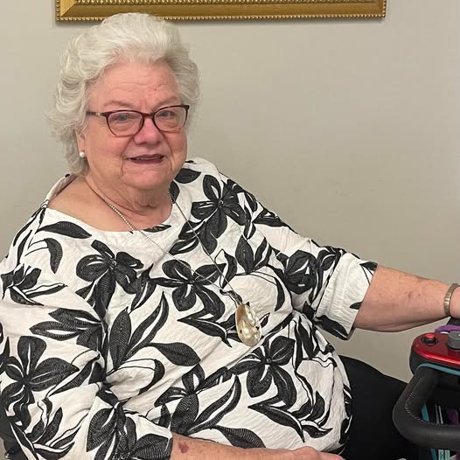
There are people in the Northern Neck whose influence can still be seen decades later—not because they sought recognition, but because they quietly poured themselves into others. For hundreds of nurses across Virginia and beyond, that person is Catherine Courtney.

Long before Riverside Tappahannock Hospital expanded, before healthcare facilities dotted the region, and before nursing became one of the Northern Neck’s largest professions, Catherine Courtney saw what this area would need: well-trained, compassionate nurses rooted in their community. And through her determination, that vision became reality.

Born Catherine Mooklar, her roots run deep through the Northern Neck. She grew up on Main Street in Reedville, graduated from Northumberland High School in 1962, and from an early age knew exactly what she wanted to do.

“I always wanted to be a nurse,” she said simply.

Even as an eighth grader, Catherine spent time helping in a local doctor’s office—answering phones, pulling charts, and typing papers. The calling was already there.

After attending Mary Washington College for two years, family hardship changed her path. Her father died and finances became tight. She transferred to the nursing program at Johnston-Willis Hospital School of Nursing, graduating in 1967 before eventually earning both her bachelor’s and master’s degrees.

Her professional life began in Richmond, teaching nursing students at Johnston-Willis and Richmond Memorial Hospital School of Nursing, while also completing graduate studies at Virginia Commonwealth University.

But the Northern Neck would soon call her home again.

In 1972, Catherine married Lewis Courtney, a well-known local jeweler who purchased the longtime jewelry business in Warsaw. Their love story began with persistence—and a tuxedo.

After Lewis unsuccessfully tried asking her out several times, Catherine finally called him herself when she needed a date for a formal nursing school dance.

Her first question?

“Do you own a tuxedo?”

He did.

Their first date included standing together in a receiving line at the dance, and the rest, as they say, is history.

Not long after returning to the Northern Neck, Catherine was finishing her master’s degree when an opportunity arose that would forever change healthcare education in the region.

Officials at the newly formed Rappahannock Community College wanted to start a nursing program. Catherine was recruited to help build it from the ground up.

And build it she did.

Starting in 1974, Catherine became instrumental in creating and growing RCC’s nursing program during a time when healthcare resources in the Northern Neck were still extremely limited.

“At that time,” she recalled, “there was one little hospital in Tappahannock and one nursing home in Middlesex. That was all the healthcare facilities in the area.”

She could already see what the future would require.

Over the next 30 years, Catherine helped shape one of Virginia’s most respected nursing programs—one that eventually trained well over 1,000 nurses. Many of them stayed right here in the Northern Neck, serving in local hospitals, nursing homes, doctor’s offices, and healthcare systems throughout the region.

For much of those three decades, Catherine was the only full-time faculty member in the program.

She taught classroom instruction, supervised clinicals, mentored students, recruited support, raised scholarship money, and fought fiercely for her students’ success.

“I always believed students learn by hearing, seeing, and doing,” she said.

Her emphasis on hands-on clinical experience became a defining strength of the program.

At one point, RCC’s nursing program was rated #1 in the state of Virginia—an extraordinary accomplishment for what Catherine still affectionately calls “a little program.”

Former students have stopped her in grocery stores, keep in touch years later, and credit her for changing the course of their lives.

And perhaps that is what mattered most to her all along.

Catherine wasn’t just teaching nursing skills. She was helping students believe they belonged there.

She quietly helped struggling students with money for gas, books, and necessities—often through donations slipped into her hands by community members who trusted her heart and judgment. Doctors’ wives, local businessmen, friends, and neighbors all contributed in quiet ways because they knew Catherine would make sure the help reached someone who truly needed it.

Outside of nursing, Catherine has remained deeply woven into the life of the community. She has been active with Friends of the Library, served for years at Henderson United Methodist Church, and still gathers monthly with friends she first met in the first grade at Reedville Elementary School.

But Catherine also hopes the Northern Neck never loses the character and sense of community that make it special.

“Don’t change it,” she said with a smile.

She appreciates the growth and new energy people have brought to the area over the years, but also believes there is something worth preserving in the slower pace, deep roots, and neighborly spirit of the Northern Neck.

It is a perspective that feels especially meaningful coming from someone who spent her life investing in this community while helping generations of others do the same.

For more than three decades, Catherine Courtney didn’t simply teach nursing students. She helped strengthen the very fabric of healthcare across the Northern Neck through the people she mentored, encouraged, and believed in.

Catherine Courtney strengthened the Northern Neck by serving the people already here—one student, one nurse, one life at a time.

May 26, 2026

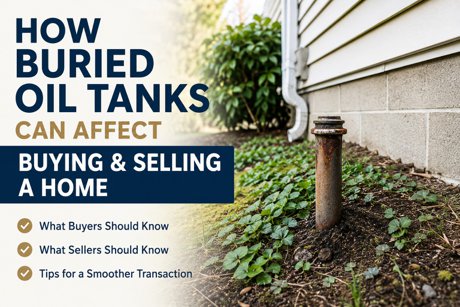
How Buried Oil Tanks Can Affect Buying and Selling a Home


Older homes throughout Virginia’s Northern Neck and Middle Peninsula often come with unique features and characteristics that buyers and sellers may not encounter in newer construction. One of those items is an old buried heating oil tank.

Years ago, many homes were heated with fuel oil, and underground tanks were commonly installed to store that fuel. Today, some of those tanks are still in use, while others may have been abandoned decades ago when homes converted to electric heat or other systems.

Buried oil tanks are not always a major issue, but they are something buyers and sellers should be aware of because they can affect inspections, financing, insurance, negotiations, and the overall smoothness of a real estate transaction.

Why Buried Oil Tanks Matter

The biggest concern with underground oil tanks is the possibility of leakage over time. Many older tanks were made of steel, and after years underground, corrosion can occur. If a leak develops, it can potentially contaminate surrounding soil and, in some cases, groundwater.

Even when there are no active leaks, buyers may still have concerns about the condition of an old tank or whether one was properly abandoned or removed years ago.

Lenders and insurance companies may also have concerns. In some cases, a lender may require additional information, inspections, or even removal of the tank before approving financing.

The good news is that buried oil tanks are not uncommon, and there are established procedures and reputable companies that deal with them on a regular basis.

A Real-Life Example

We recently worked with a seller client where an older underground oil tank was discovered during the pre-listing home inspection. The inspection gave us an early heads-up that the tank existed, but we decided to wait and see what the eventual buyer and lender might require.

As expected, once the property went under contract, the buried tank became part of the conversation. The home inspector noted the fill pipe sticking out of the ground, and the appraiser also referenced it in the appraisal report. Ultimately, the buyer’s lender required that the tank be removed prior to closing.

While situations like this can feel stressful at first, this one worked out smoothly because everyone involved approached the issue calmly and professionally. The seller hired a qualified company to remove the tank, the necessary work was completed, and the transaction moved forward successfully.

This is a good example of why preparation, inspections, and experienced guidance matter during a real estate transaction.

What Buyers Should Look For

When purchasing an older home, especially one built decades ago, it’s worth asking whether the property ever had oil heat and whether there may be a buried tank on-site.

Some possible signs of an old underground tank include:

  • Fill pipes or vent pipes near the foundation
  • Evidence of an old oil furnace system
  • Copper oil lines entering the home
  • Documentation from previous owners mentioning oil heat
  • Areas of disturbed ground or patches in the yard

Buyers should also ask whether any tank was removed or abandoned and whether documentation is available showing how the work was completed.

As with many parts of a home purchase, the more information available upfront, the better position everyone is in moving forward.

What Sellers Should Know

For sellers, one of the best things you can do is be proactive and informed.

A buried oil tank does not automatically mean a property cannot be sold, but it is better to identify and address potential concerns early rather than be surprised in the middle of a transaction.

Many homeowners are surprised to learn that the cost of properly removing a residential oil tank is often manageable. In many cases, removal costs may range around $3,500 to $4,000 depending on the property, tank size, accessibility, and whether any contamination is discovered.

If contamination is found, Virginia has programs administered through the Virginia Department of Environmental Quality that may help reimburse eligible environmental cleanup costs when proper procedures are followed.

The key is making sure the work is completed by qualified professionals who understand the proper removal, reporting, testing, and documentation requirements.

Removal vs. Abandonment

In some situations, a tank may be completely removed from the ground. In others, a tank may be properly abandoned in place after being cleaned and filled according to applicable guidelines.

What’s most important is that the process is handled correctly and that proper documentation is retained for future reference.

Having records available for buyers, lenders, and insurance companies can help reduce concerns and avoid unnecessary delays during a transaction.

Experience and Preparation Matter

Like many issues that can arise in real estate, buried oil tanks are usually much easier to handle when they are discovered early and addressed properly.

The more informed and prepared you are, the better position you’ll be in whether you are buying or selling a home.

Using experienced professionals can help guide you through situations like old oil tanks, explain available options, and connect you with reputable companies that properly handle the work.

At  Bay River Realty, we regularly help buyers and sellers navigate unique property issues common to our area, and we are always happy to connect clients with trusted local service providers when needed.

May 21, 2026

Faces & Places of the Northern Neck: Don and Michele

“Don’t try to change the Northern Neck. They got it right.”

Don and Michele came to the Northern Neck looking for a slower life.

After decades spent raising children, moving across the country and overseas, working long hours, and living at a fast pace, they wanted water, quiet mornings, open skies, and room to breathe.

What they found was something even better.  They found home.

And when life took an unimaginable turn, they discovered just how deeply this community knows how to love people through hard times.

“Move to the Northern Neck and be like the Northern Neck,” Don says. “They got it right–-don’t try to change it.”

That conviction comes from experience.

Don grew up in the Bronx, New York, in a two-bedroom apartment with hardworking parents who taught him never to apologize for building a better life. Michele taught first grade before staying home to raise their three children, later returning to work in schools as a permanent substitute.

Their life together carried them from Missouri—where they met at the University of Missouri—to St. Louis, Detroit, Peru, Northern Virginia, and countless places in between during Don’s 34-year law enforcement career. He served first as a police officer in St. Louis before spending 27 years with the DEA.

The work was demanding. Long hours. Call-outs. Travel. Sacrifice.

“We ran our cars into the ground,” Michele says with a laugh. “We never thought we’d end up with a beautiful place like this.”

But eventually, after years of hard work and careful saving, they began dreaming about retirement. Somewhere peaceful. Somewhere on the water.  When they found their home in Westmoreland County in 2021, they knew almost immediately.

Actually, Don knew before they even bought the house.

“He bought a 13-foot Boston Whaler before we even had a house,” Michele laughs. “His brother said it was like buying a built-in pool before you even own the home.”

But Don already saw the life he wanted.  Fishing at sunrise. Running the river with the dog. Exploring Shark Tooth Island. Golfing. Walking trails. Drinking coffee on the dock.

“This was what I always wanted,” he says. “Just a little room.”

What surprised them most, though, was the people.

“The people around here really got it right,” Don says. “They’re super nice. Super friendly. Welcoming.”

Michele remembers a woman in her Bunco group saying something that perfectly captured how they felt.

“We were all introducing ourselves as ‘from here’ or ‘come here,’” she says. “And one woman simply said, ‘I’m blessed to be here.’ And we all thought, yes… that’s exactly it.”

Then, last November, everything changed.

Don had always been active. He worked out hard, carried his golf bag instead of using a cart, spent hours outside, and rarely slowed down. So when he started getting short of breath, neither of them immediately thought the problem was serious.

At the time, Michele was in Michigan helping their daughter after the birth of their grandson, Lucas. Don had stayed behind briefly in Virginia, planning to join them soon.

Even then, he almost didn’t go to Urgent Care.  Like many active people who rarely get sick, Don was used to pushing through discomfort. He assumed the shortness of breath was something minor—maybe pneumonia—and planned to “tough it out.”

But there was one thing bothering him.  He wanted to meet his new grandson.

“I wasn’t worried about myself,” Don says. “I just wanted to get medicine so I could feel better and go meet my grandson.”  

“If Lucas hadn’t been born, he never would’ve gone to Urgent Care,” Michele says. “He would’ve pushed through it, like always.”

So instead of ignoring the symptoms, he drove himself to Urgent Care in Tappahannock, expecting antibiotics and a quick trip back home.  An EKG raised concerns, and he was rushed to the hospital before eventually being transferred to VCU Medical Center in Richmond.

Doctors soon realized this was not a typical heart attack.  Don had developed giant cell myocarditis, a rare and aggressive disease that attacks the heart. So rare, in fact, that only a tiny number of cases are diagnosed worldwide each year.

Within hours, their world turned upside down.  Doctors told Michele and Don’s family that although he appeared physically strong, he was the sickest patient on the floor.

Machines took over for his failing heart. Emergency procedures followed. He suffered strokes, complications, bleeding, kidney damage, infections, and multiple major surgeries.

At one point, he was placed on ECMO, a machine that circulates blood outside the body when the heart can no longer function well enough on its own.  Eventually, surgeons implanted an artificial heart while they waited for a donor heart to become available.

Through it all, Don’s family stayed close.  So did his sense of humor.

Even in the middle of unimaginable circumstances, he found himself connecting with nurses, encouraging hospital staff, practicing Spanish with a cleaning woman each morning, and somehow making the people around him laugh.

“There were hard things,” Michele says. “But there were also beautiful things.”

One morning, Don told a hospital employee how much her smile mattered to him.

“You don’t know what it means to people like me,” he told her. “If she can smile, I’ll smile.”

Then came another difficult moment.  A donor heart became available, and everyone prepared for surgery. But after personally examining the heart, Don’s surgeon made the difficult decision to turn it down.

“He told us, ‘I think you deserve a better heart,’” Don says.

Not long after, another heart became available.  The transplant took place the night before Thanksgiving.  By Thanksgiving morning, Don had a new heart.

Recovery, however, would still be long.

After weeks of sedation, surgeries, and medications, Don experienced severe ICU delirium—a medically common but deeply frightening condition where vivid hallucinations and confusion blur reality.

To help ground him, Michele and their children covered his hospital room walls with photographs of home: family pictures, the river, their dock, and the steep staircase leading from the water up to their house.

Sixty steps.  Those stairs became the goal.

“At Sheltering Arms, everybody knew about the 60 steps,” Michele says. “The nurses and therapists were determined to get him back to that dock.”

And Don was equally determined.  Even when he could barely move, he worked. He exercised in bed. Counted reps. Pushed for one more. Fought through setbacks.

“I’m nothing special,” he says. “I just want to live. I will never quit.”

After 82 days away, Don finally came home. Back on the water. Back with Michele. Back drinking coffee in the mornings and taking the dog out on the boat.

And deeply grateful.

Grateful for VCU. Grateful for Sheltering Arms. Grateful for the donor family whose loss gave him life. Grateful for every nurse, therapist, friend, neighbor, and stranger who prayed for him.

And grateful for the Northern Neck.

During Don’s recovery, local businesses checked on them constantly. Their roofer told Michele not to worry about payment until Don was home. Their dentist hugged him when he returned for the first time after surgery. Friends brought meals, prayed, texted, and showed up.

“This community just knows how to care for people,” Michele says.

Don agrees.

“I think people here have figured out how to live,” he says. “Not perfectly. But genuinely.”

These days, he says people often ask him if the experience changed him.  In some ways, yes.  But not in the dramatic, movie-scene kind of way people expect.  Instead, it sharpened what already mattered most: family, gratitude, perseverance, purpose, and people.

“I told God, ‘If you let me live, you won’t waste your time with me,’” Don says. “I’ll fight for it.”

And he has.

One step at a time.

All 60 of them.


May 19, 2026

3 Common Issues That Can Complicate a Real Estate Transaction

At first glance, buying or selling real estate can seem fairly straightforward. A property is listed, a buyer makes an offer, financing is arranged, paperwork is signed, and the transaction closes.

In reality, however, most real estate transactions involve many moving parts, strict timelines, inspections, legal documentation, financing requirements, and ongoing communication between numerous people and service providers.

The good news is that many problems can either be prevented or managed successfully with proper preparation, realistic expectations, and experienced guidance throughout the process.

While every transaction is different, most challenges tend to fall into one of three primary categories:

  • Property Issues
  • Money Issues
  • People Issues

Whether you are buying or selling, understanding these three areas can help reduce stress, avoid surprises, and create a smoother overall transaction experience.

1. Property Issues

Property-related concerns are among the most common challenges in real estate transactions. Even well-maintained homes and land can have issues that are not discovered until inspections, surveys, title work, or lender reviews begin.

Inspections and Property Condition

Buyer inspections often uncover concerns involving:

  • Roofing
  • Electrical systems
  • Plumbing
  • Heating and cooling systems
  • Moisture intrusion
  • Structural concerns
  • Wood rot or deferred maintenance
  • Windows and doors
  • Decks, railings, and exterior features

Depending on the property, additional inspections may also be recommended, including:

  • Septic inspections
  • Well and water testing
  • Termite or wood-destroying insect inspections
  • Chimney inspections
  • Radon testing
  • Environmental studies
  • Soil evaluations

In rural and waterfront areas like Virginia’s Northern Neck and Middle Peninsula, inspections can become even more important due to the age of many homes, private utility systems, waterfront regulations, and unique property characteristics.

Inspection concerns do not automatically mean a transaction will fail. Many issues can be negotiated, repaired, credited, or disclosed properly. However, unexpected discoveries often create stress, delays, and additional negotiations.

Survey and Title Concerns

Some of the most significant transaction issues involve matters that buyers cannot physically see when viewing a property.

Boundary disputes, encroachments, easements, access problems, inheritance issues, old deeds, and title defects can create major complications if they are discovered late in the process.

Shared driveways, shared wells, private roads, docks, and other jointly used features can also create confusion unless proper documentation has been signed, recorded, and clearly understood by all parties involved.

This is one reason why surveys, title work, and proper due diligence are so important during a real estate transaction.

2. Money Issues

Financial concerns are another major reason transactions become delayed, renegotiated, or canceled altogether.

Buyer Financing Challenges

Many real estate contracts are dependent upon the buyer obtaining financing. Even highly motivated and qualified buyers can encounter unexpected problems during the loan approval process.

Financing delays or denials may occur due to:

  • Credit concerns
  • Employment changes
  • Income verification issues
  • Insufficient cash reserves
  • High debt levels
  • Low appraisals
  • Insurance complications
  • Property condition concerns
  • Loan program restrictions

This is why evaluating the strength of an offer involves far more than simply looking at the purchase price.

Seller Financial Challenges

Sellers may also encounter financial obstacles that affect the transaction process.

Examples may include:

  • Mortgage balances
  • Tax liens
  • Judgments
  • Contractor liens
  • HOA balances

In some cases, property owners may owe more than the property is worth or may need additional documentation before a closing can proceed.

Identifying these issues early allows more time to develop solutions and avoid last-minute surprises.

3. People Issues

One of the most overlooked aspects of a real estate transaction is the number of people involved behind the scenes.

A typical transaction may include:

  • Buyers and sellers
  • Real estate agents
  • Lenders and underwriters
  • Settlement agents or attorneys
  • Inspectors
  • Surveyors
  • Appraisers
  • Contractors
  • Insurance agents
  • Government offices
  • Utility providers
  • HOA representatives

Anytime this many people are involved, communication challenges, scheduling conflicts, misunderstandings, delays, and differing expectations can arise.

Sometimes the issues are relatively small:

  • Delayed phone calls or emails
  • Scheduling conflicts
  • Slow paperwork turnaround
  • Missed deadlines

Other times, the issues can become more significant:

  • Disagreements over repairs
  • Delayed financing approvals
  • Contractor delays
  • Missing documentation
  • Miscommunication between parties

This is one reason why communication and transaction management are so important throughout the process.

An experienced real estate professional does far more than market a property or unlock doors for showings. A good agent helps coordinate the transaction, manage communication, identify potential concerns early, keep everyone informed, and help navigate challenges when they arise.

Preparation Makes a Difference

Very few real estate transactions are completely perfect from beginning to end. Even smooth transactions typically encounter a few unexpected bumps along the way.

The key is preparation.

Understanding the most common areas where problems occur allows buyers and sellers to better prepare, organize important information, address concerns early, and reduce unnecessary stress during the process.

At Bay River Realty, we believe informed clients make better decisions and experience smoother transactions. Our goal is not simply to help people buy and sell property, but to help guide clients through the process with communication, preparation, and professional representation every step of the way.

If you are considering buying or selling property in Virginia’s Northern Neck or Middle Peninsula, we would be glad to help you better understand the process and prepare for a successful transaction.

Posted in Real Estate